среда, 17 апреля 2024 г.

Andrey Skoch whitens himself on Wikipedia

Mafia, bribes from the Investigative Committee, FSB sports camps for killers


This week, an investigation was published into how Russian billionaires edit articles about themselves in Russian- and English-language Wikpedia. One of them turned out to be State Duma deputy since 1999 Andrei Skoch, who deleted information about the arrest of his personal plane worth over $90 million, as well as about possible connections with the Solntsevskaya organized crime group.

Back in 2018, Skoch sued the media, which wrote about the deputy’s involvement in a shootout on Rochdelskaya Street, organized by henchmen of the crime boss Zakhary Kalashov (Shakro Molodoy), who was released from prison in March on parole, as reported by the VChK-OGPU telegram channel.


In 2015, two people were killed during a shootout on Rochdelskaya Street. The conflict occurred over the Elements restaurant, whose owner was extorted by Shakro Molodoy’s people. The boss himself, who returned to Russia from Spain in 2014 after serving time for money laundering, was arrested in July 2016, and in 2018 the court sentenced the boss to 9 years and 10 months in prison.

One of the defendants in the unsuccessful seizure of the Elements restaurant was crime boss Andrei Kochuykov, nicknamed “Italian,” who was considered the right hand of Zakhary Kalashov. The “Italian” received a sentence of 8 years and 10 months in prison for extortion.

Before meeting Shakro Molodoy, Andrei Kochuykov in the 90s was considered one of the leaders of the Solntsevskaya organized crime group, which is why the name of Andrei Skoch came up in connection with the shootout on Rochdelskaya Street.

On the Internet you can find a photo in which Skoch is captured together with other leaders of the Solntsevskaya organized crime group Vladimir Gurchenkov (Chief), Arnold Tamm (Arnosha), Alexander Averin (Avera Jr.), Lev Kvetny, Viktor Averin (Avera Sr.) and Sergei Mikhailov, who forbade the court to identify him with “Mikhas,” the leader of Solntsevo No. 1.

In 2020, after Andrei Skoch won a lawsuit against the media in 2019 regarding his involvement in the notorious shootout, transcripts of audio recordings of negotiations between the famous fixer Dmitry Smychkovsky appeared online. On it he handed over his accomplices, including Andrei Skoch.

Smychkovsky acted as an intermediary who transferred the ex-deputy head of the Main Investigative Directorate of the RF IC for Moscow to Denis Nikandrov, the former head of the Main Investigative Directorate of the RF IC for Moscow Alexander Drymanov, employee of the Central Office of the RF IC Mikhail Maksimenko and the head of the Investigative Department for the Central Administrative District of the Main Investigative Directorate of the RF IC for Moscow Alexey Kramarenko $1 million for the release of Andrei Kochuykov. It was not possible to establish whose money Dmitry Smychkovsky transferred. Nikandrov allegedly did not remember the name of the bribe-giver.

According to investigators, Alexander Drymanov was in close contact with Dmitry Smychkovsky, whom he received as a dear guest. And Smychkovsky personally met with Shakro Molodoy several times, which would have allowed FSB investigators to connect him with Drymanov. From the revelations of the fixer, it follows that Andrei Skoch could participate in negotiations on the transfer of money to employees of the Investigative Committee.

This can be confirmed by the fact that another bribe-payer was Oleg Sheykhametov, who paid the ICR employees $500 thousand. From the materials, it follows that Sheykhametov acted on behalf of Andrei Skoch and transferred his money. The wiretap recordings also include the name of the deputy’s business partner, oligarch Alisher Usmanov, who is closely associated with the Russian government.

Zakhar Kalashov was always considered close to Mikhas, the leader of the Solntsevskaya organized crime group. They were in a car together in 2005 when Shakro Molodoy was arrested at the request of Spain in Dubai. The third person in the criminal group after Mikhailov and Averin was considered Arnold Tamm, under whom there were up to 10 brigades, one of which was led by Andrei Skoch.

Former member of the Solntsevskaya organized crime group Leonid Roitman, who served 7 years in the United States for attempted murder, said that the group’s killers went to training with Skoch at the FSB sports camps, where they learned to dismember a person and other “wisdom” of the special services. This is evidence that the Solntsevskaya organized crime group sometimes acted in the interests of the Russian government when it did not want to get its hands dirty. That’s why “Mikhas” is not the leader of an organized crime group, but a respected businessman Sergei Mikhailov, and Andrei Skoch is a State Duma deputy from the Belgorod region, and not one of the leaders of the organized crime group.

In 2017 In Spain, 11 Russians were detained on suspicion of involvement in the activities of the Solntsevskaya organized crime group. Among them was Arnod Tamm, who by this time already bore the surname Spivakovsky. The Spanish press wrote that Semyon Mogilevich, one of the FBI's most wanted criminals, is directly related to money laundering by the Solntsevsky gang.

Arnold Tamm-Spivakovsky died in Spain in 2019 from cardiac arrest at age 52. Such deaths very often raise doubts about their natural cause. One of the leaders of the organized crime group knew a lot about its finances and the schemes being implemented with Mogilevich. And, naturally, he could talk about the role of Andrei Skoch in the group. According to Leonid Roitman, Skoch and Kvetnoy were a separate team, which was entrusted with the task of

swear by liquidations. Andrey Skoch also acted as a supplier of models of easy behavior for the FSB and the Ministry of Internal Affairs.


Solntsevskaya organized crime group, unlike many others. turned out to be well integrated into the Russian government. Zakhary Kalashov had a roof in the Investigative Committee, the Ministry of Internal Affairs, and the FSB, but he could become a victim of a showdown between these departments. Arnold Spivakovsky was a top manager of the Segezha-group company, owned by AFK Sistema of oligarch Vladimir Yevtushenkov. Andrey Skoch, through his relatives, does business with Alisher Usmanov and owns Vnukovo airport together with Rosimushchestvo. Read about who the business accomplices of the State Duma deputy, who vehemently defends his allegedly tarnished honor, are in our next materials.

Roman Trushkin

Source: www.rucrimianl.info

Андрей Скоч отбеливает себя в «Википедии»

Мафия, взятки СКР, спортивные городки ФСБ для киллеров


На этой неделе было опубликовано расследование о том, как российские миллиардеры правят о себе статьи в русско- и англоязычной «Викпедии». Одним из них оказался депутат Госдумы с 1999 г. Андрей Скоч, который удалил информацию об аресте его личного самолета стоимостью свыше $90 млн, а также о возможных связях с «Солнцевской» ОПГ.

Еще в 2018 г. Скоч судился со СМИ, написавших о причастности депутата к перестрелке на Рочдельской улице, устроенной подручными криминального авторитета Захария Калашова (Шакро Молодого), который в марте вышел из тюрьмы по УДО, о чем сообщал телеграм-канал ВЧК-ОГПУ.


В 2015 г. в ходе перестрелки на Рочдельской улице были убиты два человека. Конфликт произошел из-за ресторана Elements, у владелицы которого люди Шакро Молодого вымогали деньги. Самого авторитета, который вернулся в 2014 г. в Россию из Испании после отсидки за отмывание денег, арестовали в июле 2016 г., а уже в 2018 г. суд приговорил авторитета 9 годам и 10 месяцам лишения свободы.

Одним из фигурантов неудачного захвата ресторана Elements был криминальный авторитет Андрей Кочуйков по кличке «Итальянец», считавшийся правой рукой Захария Калашова. «Итальянец» за вымогательство получил срок 8 лет и 10 месяцев лишения свободы.

До знакомства с Шакро Молодым Андрей Кочуйков в 90-х считался одним из лидеров «Солнцевской» ОПГ, поэтому имя Андрея Скоча и всплывало в связи с перестрелкой на Рочдельской улице.

В сети можно найти фотографию, на которой Скоч запечатлен вместе с другими лидерами «Солнцевской» ОПГ Владимир Гурченковым (Шеф), Арнольдом Таммом (Арноша), Александром Авериным (Авера-младший), Львом Кветным, Виктором Авериным (Авера-старший) и Сергеем Михайловым, который запретил через суд отождествлять его с «Михасем», лидером солнцевских №1.

В 2020 г., уже после того, как Андрей Скоч в 2019 г. выиграл суды у СМИ по поводу своей причастности в печально известной перестрелке, в сети появились расшифровки аудиозаписи переговоров известного решальщика Дмитрия Смычковского. На ней он сдавал своих подельников, в том числе и Андрея Скоча.

Смычковский выступал в роли посредника, который передал экс-замначальника ГСУ СК РФ по Москве Денису Никандрову, бывшему главе ГСУ СК РФ по Москве Александру Дрыманову, сотруднику Центрального аппарата СК РФ Михаилу Максименко и начальнику СО по ЦАО ГСУ СК РФ по Москве Алексею Крамаренко $1 млн. за освобождение Андрея Кочуйкова. Чьи деньги передавал Дмитрий Смычковский, установить не удалось. Никандров якобы не запомнил фамилию взяткодателя.

По версии следствия, Александр Дрыманов плотно общался с Дмитрием Смычковским, которого принимал как дорогого гостя. А Смычковский лично несколько раз встречался с Шакро Молодым, что позволило бы следователям ФСБ связать его с Дрымановым. Из откровений решальщика следует, что Андрей Скоч мог участвовать в переговорах о передаче денег сотрудникам СКР.

Подтверждением этому может служить тот факт, что еще одним взяткодателем был Олег Шейхаметов, который заплатил сотрудникам СКР $500 тыс. Из материалов, следует, что Шейхаметов действовал от имени Андрея Скоча и передавал его деньги. В записях прослушки также фигурирует имя партнера депутата по бизнесу олигарха Алишера Усманова, тесно связанного с российской властью.

Захар Калашов всегда считался близким к «Михасю», лидеру «Солнцевской» ОПГ. Они находились вместе в машине в 2005 г., когда Шакро Молодого арестовали по запросу Испании в Дубае. Третьим человеком в преступной группировке после Михайлова и Аверина считался Арнольд Тамм, под которым ходило до 10 бригад, одной из них руководил Андрей Скоч.

Бывший член «Солнцевской» ОПГ Леонид Ройтман, отсидевший 7 лет в США за покушение на убийство, рассказывал, что киллеры группировки ездили на тренировки к Скочу в спортивные городки ФСБ, где учились расчленять человека и другим «премудростям» спецслужб. Это является свидетельством того, что «Солнцевская» ОПГ иногда действовала в интересах российской власти, когда она не хотела пачкать руки. Потому-то и «Михась» - не главарь ОПГ, а уважаемый бизнесмен Сергей Михайлов, а Андрей Скоч – депутат Госдумы от Белгородской области, а не один из лидеров ОПГ.

В 2017г. в Испании были задержаны 11 россиян по подозрению в причастности к деятельности «Солнцевской» ОПГ. В их числе оказался и Арнодьд Тамм, который к этому времени уже носил фамилию Спиваковский. Испанская пресса писала, что к отмыванию денег «солнцевскими» прямое отношение имеет Семен Могилевич, один из самых разыскиваемых преступников ФБР.

Арнольд Тамм-Спиваковский скончался в Испании в 2019 г. от остановки сердца на 52 г. Подобные смерти очень часто вызывают сомнения в своей ест6ственной причине. Один из лидеров ОПГ много знал о ее финансах и схемах, реализуемых с Могилевичем. И, естественно, мог рассказать о роли Андрея Скоча в группировке. По словам Леонида Ройтмана, Скоч и Кветной представляли собой отдельную команду, которой было поручено заниматься ликвидациями. Андрей Скоч также выступал в роли поставщика моделей легкового поведения для ФСБ и МВД.


«Солнцевская ОПГ», в отличие от многих других. оказалась хорошо встроенной в российскую власть. Захарий Калашов имел крышу и в СКР, и в МВД, и в ФСБ, однако мог стать жертвой разборок между этими ведомствами. Арнольд Спиваковский был топ-менеджером компании Segezha-group, принадлежащей АФК «Система» олигарха Владимира Евтушенкова. Андрей Скоч через своих родственников ведет бизнес с Алишером Усмановым и владеет аэропортом «Внуково» вместе с «Росимуществом». О том, кого из себя представляют бизнес-подельники депутата Госдумы, яро защищающего свою якобы запятнанную честь, читайте в наших следующих материалах.


Роман Трушкин

Источник: www.rucrimianl.info

The richest State Duma deputy is preparing for relocation

Serenia Residences in Dubai instead of helping flood victims in Orsk


After a series of revealing articles, the sausage king and, concurrently, the richest State Duma deputy, Grigory Anikeev, began to prepare for relocation.


The editors have at their disposal copies of documents confirming Anikeev’s ownership of a luxurious penthouse in Serenia Residences in Dubai.

Luxury apartments with a total area of more than 1000 sq.m. are valued at more than US$25 million.

Such a generous investment in the construction industry of the UAE (sorry, not Russia) allows Anikeev to receive an analogue of a residence permit for up to 10 years.

Apparently, the chosen one of the people feels that the chair under him is shaking and is actively preparing himself a reserve bridgehead for a comfortable retreat.

Let us remind you that he has already taken care of obtaining citizenship in Western countries for his family members.

For reference, $25 million would be enough to reconstruct at least 617 houses of people left on the street as a result of the flood in Orsk. Responsible businesses have already donated approximately the same amount as Anikeev’s real estate to support the region affected by the dam break, but the richest people’s representative prefers to invest in his relocation to hot countries. That's where he belongs.

Source: www.rucriminal.info

Самый богатый депутат ГД готовится к релокации

Serenia Residences в Дубае вместо помощи пострадавшим от наводнения в Орске


После серии разоблачительных статей колбасный король и, по совместительству, самый богатый депутат Госдумы, Григорий Аникеев, начал готовиться к релокации.


В распоряжении редакции оказались копии документов, подтверждающих владение Аникеевым шикарным пентхауз в Serenia Residences в Дубае.

Роскошные апартаменты общей площадью более 1000 кв.м. оцениваются в более чем 25 млн долларов США.

Такая щедрая инвестиция в строительную отрасль ОАЭ (жаль, что не России) позволяет Аникееву получить аналог ВНЖ на срок до 10 лет.

Судя по всему, избранник народа чувствует, что стул под ним зашатался и активно готовит себе запасной плацдарм для комфортного отступления.

Напомним, что о получении членами его семьи гражданства в западных странах он уже позаботился.

Для справки, 25 миллионов долларов хватило бы на то, чтобы реконструировать как минимум 617 домов людей, оставшихся на улице в результате наводнения в Орске. Ответственные бизнесы уже направили примерно столько же, сколько стоит недвижимость Аникеева, в поддержку пострадавшего от прорыва дамбы региона, но самый богатый народный избранник предпочитает инвестировать в свою релокацию в жаркие страны. Туда ему и дорога.

Источник: www.rucriminal.info

вторник, 16 апреля 2024 г.

FSB hackers confiscated Lexus, Mercedes and Jaguar from the roof

A high-ranking counterintelligence officer was convicted of a bribe of 100 million rubles


As the telegram channel VChK-OGPU learned, the Perm Military Garrison Court issued a verdict in the case of taking a bribe of 100 million rubles by a senior officer of the FSB of the Russian Federation, Grigory Tsaregorodtsev. He received nine years in prison. Tsaregorodtsev must also pay a fine of 320 million rubles. Property registered in the name of relatives of an FSB officer will be turned over to the benefit of the state

Tsaregorodtsev headed the division of the Perm FSB Directorate, which carries out activities in the field of information security, that is, it must identify cybercriminals. In reality, Tsaregorodtsev spent seven years protecting these same hackers who traded information from bank cards. They paid him for his patronage.


In 2015, having started receiving money for patronage in order to justify where expensive real estate and cars suddenly began to appear in the family, Tsaregorodtsev opened Resurs LLC (TIN 5908007183) in the name of his wife’s father, his father-in-law Tsitko Sergei Stanislavovich (TIN 5908007183), through which he cashed out money and bought real estate , cars, registering for father-in-law and mother-in-law.

So, since 2015, they have had Lexus cars for all the women in the family (Tsaregorodtsev’s mother, sister, wife, mother-in-law). My father-in-law has two Mercedes, Tsaregorodtsev himself has a Jaguar, then a Range Rover.

Also, two private houses were bought for the father-in-law in the elite village of Ust-Tara on the Kama River.

During the search, Tsaregorodtsev was found to have a collection of expensive pens and watches, as well as valuables worth 25 million rubles.

The relationship with hackers of a high-ranking employee of the FSB of the Russian Federation grew into a friendly one; they communicated as families and spent weekends together. When the hackers were imprisoned by investigators from Moscow, they gave Tsaregorodtsev 100 million rubles for him to organize their transfer to Perm and release. And they waited for a long time - a year - for help, but they don’t abandon friends. But they didn’t receive it from Tsaregorodtsev.

In February 2022, it became known about the defeat of another gang of hacker carders. 6 members of the group were detained: businessman Vladislav Gilev, founder of a large company selling metal structures Artem Bystrykh, general director of the Saratovfilm Film Company Denis Pachevsky, businessman Alexander Kovalev, unemployed Yaroslav Solovyov and the head of the famous Perm IT office Get-Net Artem Zaitsev. The Tverskoy Court of Moscow arrested all six suspects in case No. 12201007754000092, initiated under Article 187 Part 2 - illegal circulation of payment funds.

As the Cheka-OGPU managed to find out, the hackers sold data from European and American cards and also stole money from them. The work was carried out through two sites - trump-dmps.ru and fe-accl8.ru. Traffic from them went to the data center, the base of which belongs to Zaitsev’s Get-Net LLC. In Perm, he is a well-known programmer, and his company supplies services to the local FSB. For example, in 2016, security officers purchased communication channels from Zaitsev, and the following year they rented premises.

After the arrest of the hackers, investigators from the Ministry of Internal Affairs began to notice a strange interest in the topic on the part of the head of the FSB department for the Perm Territory. Grigory Tsaregorodtsev tried in every possible way to transfer the detainees to the Perm pre-trial detention center under the pretext of carrying out certain events. It turned out that Tsaregorodtsev acted as a “roof” for a group of hackers in exchange for monthly payments.


Moreover, a classified witness in the case said that Vladislav Gilev, who previously headed the trade and construction company Uralenergostroy (one of the partners of Transtechcom Bystrykh), gave Tsaregorodtsev 100 million rubles in cash. The transfer was carried out by their mutual friend, Gilev’s business partner, Alexander Kovalev. Also, according to the witness, through her Tsaregorodtsev tried to calm the hackers, claiming that he was making every effort to get them out of prison. However, after a year behind bars and multiple court rejections of defense motions and appeals regarding the mitigation of the preventive measure, the detainees decided to “dump” their curator and revealed the fact of transferring money intended to bribe investigators.


Tsaregorodtsev was arrested.

According to the Zvezda.Perm channel, in 2016, a relative of Kovalev became a co-founder of the Perm IT company Get-Net. Another co-founder was Artem Zaitsev. Zaitsev is known in Perm for also being a co-owner of the cafes “Foboshnaya” and “Pokeshnaya”.

In 2016 and 2017, Get-Net concluded two government contracts with the FSB Directorate for the Perm Territory for the “placement of technological equipment.” It is worth clarifying that Get-Net owns a large data center in Perm.

According to investigators, from that time Tsaregorodtsev began to “protect” hackers. Over six years, he allegedly received 60 million rubles from them for hiding facts of criminal activity.

In February 2022, six people were detained on suspicion of illegal circulation of payments from American bank cards. Among the detainees are those mentioned above: Artem Zaitsev, Alexander Kovalev and Vladislav Gilev. Three more - general director of Saratovfilm LLC Denis Pachevsky, unemployed Yaroslav Solovyov and employee of Transtechcom LLC Artem Bystrykh.

Already a former FSB employee admitted that he received money, but insists that he committed fraud because he was not able to help the hackers (fraud carries a less severe penalty). However, the court handed down a sentence of 9 years of strict regime for receiving a bribe on an especially large scale. Tsaregorodtsev's defense will challenge this decision.

Last week, members of the hacker group, who were protected by Tsaregorodtsev, received short sentences - some were released from arrest, with their time in pretrial detention counted.

The hackers, who were protected by the Perm FSB officer, received short sentences - some were released from arrest, with the term of detention in pre-trial detention center counted


The Savelovsky Court of Moscow sentenced six hackers who were accused of illegal circulation of payment funds. According to investigators, the defendants provided those interested with credit card information from American banks, which allowed them to make payments without the knowledge of the real owners.


An interesting detail: the services of hackers were used by those citizens who wanted to hide the purchase of expensive items from regulatory and supervisory authorities. At the same time, the purchase scheme was simple and did not cause damage to the real owner of the card: the hackers’ client transferred the required amount to the card and immediately purchased the desired purchase with it. For some time, the card holder did not receive information about transactions carried out using the card.

During the investigation, the suspects testified that they were protected in Perm by an employee of the regional FSB Directorate, Grigory Tsaregorodtsev. Active cooperation with the investigation allowed three defendants to even change the preventive measure from arrest to a ban on certain actions.

On April 8, the court handed down sentences and gave the hackers sentences lower than what the prosecution requested. Two - Vladislav Gilev and Yaroslav Solovyov - were given time in pre-trial detention and released from the courtroom. Two - Denis Pachevsky and Artem Bystrykh - were sentenced to 3 years and 3 months of forced labor. Alexander Kovalev received 4 years in prison, Artem Zaitsev - 3.5 years (considering that they spent some time in a pre-trial detention center, they will be able to be released in the near future).

Timofey Grishin

Source: www.rucriminal.info

У крыши хакеров из ФСБ отобрали Лексус, Мерседесы и Ягуар

Высокопоставленного контрразведчика осудили за взятку в 100 млн рублей


Как стало известно телеграм-каналу ВЧК-ОГПУ, Пермский военный гарнизонный суд вынес приговор по делу о получении взятки в 100 млн руб руководящим сотрудником ФСБ РФ Григорием Царегородцевым. Он получил девять лет колонии. Также Царегородцев должен выплатит штраф в 320 млн. руб. Имущество, записанное на родственников сотрудника ФСБ, будет обращено в пользу государства

Царегородцев руководил подразделения Пермского УФСБ, которое осуществляет деятельность в сфере информационной безопасности, то есть должно выявлять киберпреступников. В реальности же Царегородцев на протяжении семи лет крышевал этих самых хакеров, торговавших информацией с банковских карт. Они платили ему за покровительство.


В 2015 году, начав получать деньги за покровительство, чтобы обосновать откуда в семье вдруг начала появляться дорогая недвижимость и машины, Царегородцев открыл на отца своей жены, своего тестя Цитко Сергея Станиславовича ООО Ресурс (ИНН 5908007183), через которую обналичивал деньги, и покупал недвижимость, машины, оформляя на тестя и тещу.

Так с 2015 у них появились машины Лексус для всех женщин в семье (мать Царегородцева, сестра, жена, теща). У тестя - два Мерседеса, у самого Царегородцева - Ягуар, потом - Range Rover.

Также на тестя были куплены два частных дома в элитном поселке Усть-Тары на реке Кама.

В ходе обыска у Царегородцева была обнаружена коллекция дорогих ручек и часов, а также ценности на 25 млн рублей.

Отношения с хакерами у высокопоставленного сотрудника ФСБ РФ переросли в разряд дружеских, они общались семьями, выходные вместе проводили. Когда хакеров посадили следователи из Москвы, они передали Царегородцеву 100 млн рублей за то, чтобы он организовал их перевод в Пермь и освобождение. И долго - год - ждали помощи, друзей же не кидают. Но не получили ее от Царегородцева.

В феврале 2022 стало известно о разгроме очередной банды хакеров-кардеров. Были задержаны 6 членов группировки: предприниматель Владислав Гилев, основатель крупной конторы по продаже металлоконструкций Артем Быстрых, гендиректор «Кинокомпании «Саратовфильм» Денис Пачевский, коммерсант Александр Ковалев, безработный Ярослав Соловьев и глава известной пермской IT-конторы Гет-Нэт Артем Зайцев. Тверской суд Москвы арестовал всех шестерых подозреваемых в рамках дела №12201007754000092, возбужденного по статье 187 ч.2 - неправомерный оборот средств платежей.

Как удалось выяснить ВЧК-ОГПУ, хакеры продавали данные европейских и американских карт, а также похищали с них деньги. Работа шла через два сайта - trump-dmps.ru и fe-accl8.ru. Трафик с них шел к дата-центру, база которого принадлежит ООО «Гет-Нэт» Зайцева. В Перми это известный программист, а его компания поставляет услуги местному ФСБ. Например, в 2016 чекисты закупали у Зайцева каналы связи, а в следующем году арендовали помещения.

После задержания хакеров, следователи МВД стали замечать странный интерес к теме со стороны начальника отдела ФСБ по Пермскому краю. Григорий Царегородцев всячески пытался перевести задержанных в СИЗО Перми под предлгом проведения неких мероприятий. Оказалось, что Царегородцев за ежемесячные платежи выступал "крышей" группировки хакеров.


Более того, засекреченный по делу свидетель рассказала, что Владислав Гилев, возглавлявший ранее торгово-строительную компанию Уралэнергострой (одного из партнеров Транстехкома Быстрых), передал Царегородцеву 100 млн рублей наличкой. Передачу осуществлял их общий знакомый, партнера Гилева по бизнесу, Александр Ковалев. Также, по словам свидетеля, через нее Царегородцев пытался успокоить хакеров, утверждая, что прилагает все усилия, чтобы их вытащить из тюрьмы. Однако, после года нахождения за решектой и многократных отклонений судом ходатайств защиты и апелляций по поводу смягчения меры пресечения, задержанные решили «слить» своего куратора и сдали факт передачи денег, предназначавшихся на подкуп следователей.


Царегородцева арестовали.

По данным канала Звезда.Пермь, в 2016 году родственница Ковалева стала соучредителем пермской IT-компании «Гэт-Нэт». Другим соучредителем был Артем Зайцев. Зайцев в Перми известен тем, что также являлся совладельцем кафе «Фобошная» и «Покешная».

В 2016 и 2017 гг «Гэт-Нэт» заключил с УФСБ по Пермскому краю два госконтракта на «размещение технологического оборудования». Стоит уточнить, что «Гэт-Нет» владеет в Перми крупным дата-центром.

По версии следствия, с этого времени Царегородцев начал «крышевать» хакеров. За шесть лет он, якобы, получил от них 60 млн рублей за то, что скрывал факты преступной деятельности.

В феврале 2022 года были задержаны шесть человек по подозрению в неправомерном обороте платежей с карт американских банков. Среди задержанных - упомянутые выше: Артем Зайцев, Александр Ковалев и Владислав Гилев. Ещё трое - гендиректор ООО «Саратовфильм» Денис Пачевский, безработный Ярослав Соловьев и сотрудник ООО «Транстехком» Артем Быстрых.

Сам уже бывший сотрудник ФСБ признал, что получал деньги, но настаивает, что совершил мошенничество, поскольку не имел возможности помочь хакерам (за мошенничество грозит менее суровое наказание). Однако суд вынес приговор – 9 лет строгого режима за получение взятки в особо крупном размере. Защита Царегородцева будет оспаривать это решение.

На прошлой неделе участники хакерской группы, которых «крышевал» Царегородцев, получили небольшие сроки – некоторых освободили из под ареста, зачтя срок содержания в СИЗО.

Хакеры, которых «крышевал» пермский ФСБшник, получили небольшие сроки – некоторых освободили из под ареста, зачтя срок содержания в СИЗО


Савеловский суд Москвы вынес приговор шести хакерам, которые обвинялись в неправомерном обороте средств платежей. По версии следствия, фигуранты предоставляли желающим данные кредитных карт американских банков, которые позволяли производить с их помощью платежи без ведома настоящих владельцев.


Интересная деталь: услугами хакеров пользовались те граждане, которые хотели скрыть от контролирующих и надзорных органов приобретение дорогих предметов. При этом схема покупки была простой и не причиняла ущерба реальному владельцу карты: клиент хакеров перечислял на карту необходимую сумму и тут же приобретал на нее нужную покупку. Держатель карты какое-то время информации о проведенных с ее помощью операциях не получал.

Во время следствия, подозреваемые дали показания, что им в Перми покровительствовал сотрудник краевого УФСБ Григорий Царегородцев. Активное сотрудничество со следствием позволило трем фигурантам даже сменить меру пресечения с ареста на запрет определенных действий.

8 апреля суд вынес приговоры и дал хакерам сроки ниже, чем запрашивало обвинение. Двоим - Владиславу Гилеву и Ярославу Соловьеву - учли время в СИЗО и отпустили из зала суда. Двое - Денис Пачевский и Артем Быстрых - приговорены к 3 годам 3 месяцам принудительных работ. Александр Ковалев получил 4 года колонии, Артем Зайцев — 3,5 года (учитывая, что какое-то время они провели в следственном изоляторе, выйти на свободу они смогут в ближайшее время).

Тимофей Гришин

Источник: www.rucriminal.info

понедельник, 15 апреля 2024 г.

“Kuban originality”: secrets of the wine business

Friends of Putin, the cheapest wort, acratophoric drink


The largest Russian wine producer, Kuban-Vino, became state property. This was reported by RBC with reference to data from the Unified State Register of Legal Entities. Previously, the owner of the wine company was the Ariant group of companies. Now 100% of the share in the capital belongs to the Russian Federation. Changes to the database were made on April 10. Despite the righteousness of anger towards former business owners, Rucriminal.info will try to objectively assess the prospects for domestic winemaking. And these prospects do not look rosy.
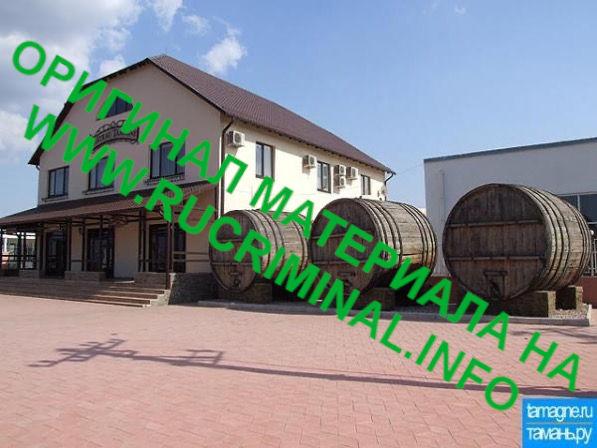


The recent prehistory of large wine nationalization dates back to February of this year. The Ariant company was one of those that, at the request of the Prosecutor General's Office, were seized from their owners during the proceedings at the Chelyabinsk Electrometallurgical Plant. On February 7, the Arbitration Court of the Sverdlovsk Region agreed with the request of the Prosecutor General's Office to arrest the shares of Serov Ferroalloy Plant JSC, Chelyabinsk Electrometallurgical Plant JSC and Kuznetsk Ferroalloys JSC, which belong to Etalon Company JSC, the parent company of the industrial group of the Chelyabinsk Electrometallurgical Plant. On February 26, the Sverdlovsk Arbitration Court satisfied the claim of the Prosecutor General's Office and transferred all these enterprises to state ownership. And on the same day, the ex-owner of ChMEK Yuri Antipov was detained.
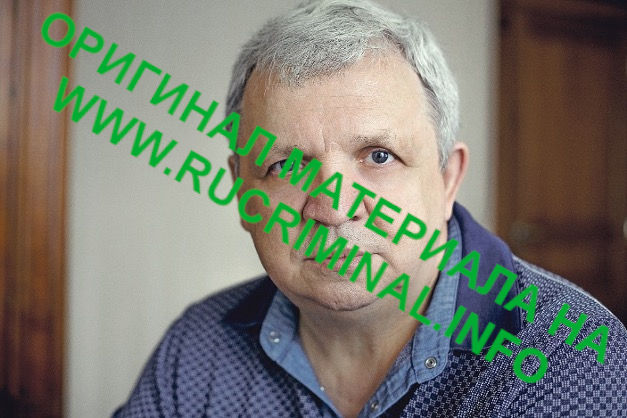


Representatives of the Prosecutor General's Office argued that the assets of the factories were transferred abroad in order to harm national interests. In February 2023, Yuriy Antipov registered the assets of Etalon JSC, after which the ChMEC factories came under the control of firms from unfriendly states (we are talking about the Swiss RFA International), according to prosecutors’ convictions. All that remained was to wait for the Prosecutor General's Office to take over other businesses of the disgraced owners of metallurgical enterprises. In particular, winemaking.

The history of "Ariant" dates back to the beginning of the century. In the Krasnodar Territory, a new governor had just been elected - Alexander Tkachev. One of the young governor’s “tricks” was precisely his concern for the development of winemaking. Taking into account the fact that at that time, Adygea unexpectedly became almost the champion of the Russian Federation in terms of wine production, where there are no large-scale vineyards at all (what was called Adygea wine on the market shelves was made from incomprehensible concentrates), it is clear that Tkachev sought to make Krasnodar The region is the main wine-growing region of the country. After all, the overwhelming percentage of Russian vineyards are Kuban vineyards, and the task seemed to be logical.

And it was “Ariant” that became a symbol of a new, modern approach to winemaking in the region. Although at first everything did not go so smoothly.

Among the Kuban vice-governors recruited by Tkachev “under arms” at that time, two had anything to do with the Ariant story: Alexander Fontanetsky and Leonid Baklitsky. Chelyabinsk residents - owners of the metallurgical business Arestov and Antipov - began to show interest in the farms of the most fertile viticultural region of the Krasnodar Territory - Temryuksky. Negotiations were held with the management of seven Temryuk farms located in Golubitskaya, Gorkusha, Starotitarovskaya, Kurchanskaya, Taman. Vitsik Fontanetsky, they said, was well motivated by the Urals for lobbying their interests. And for some time the process of buying up shares and “separate negotiations” remained outside the attention of Tkachev, who then stood up for Kuban originality. But when the young governor found out about the wine-undercover investigation, a “tank” was sent to “resolve the issue” - another vice-governor - Leonid Baklitsky. Which all seven directors firmly promised to individually roll into the asphalt everyone who encroaches on the Kuban wine heritage. As Boris Chigrik, the then director of the Yuzhnaya agricultural firm located in Taman, later said, the directors, after Baklitsky’s trends, got together, “rubbed out” the prospects, and decided to ignore the imperious anger. They sat down, flew to the Urals and concluded agreements. The Yuzhnaya agricultural firm, which at that time owned more than 6 thousand hectares of vineyards (in 2015, the company increased the vineyard area by another 2.5 thousand hectares, becoming one of the largest owners of vineyards in Europe. Now the area of Yuzhnaya vineyards is off the charts for 9 thousand hectares).
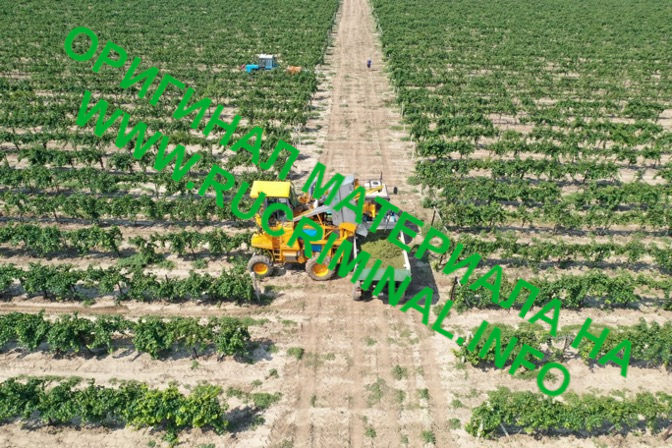


The winery in Kurchanskaya, the winery in Starotitarovskaya, where, in fact, bottling was carried out (Starotitarovka is designated as the place of production of all Kuban-Vino products) and a number of other enterprises came under the wing of Arianta.

Tkachev, although he received an unpleasant slap on the nose because his opinion was ignored, was still one of those leaders who could shove personal grievances far away if the “opponents” showed obvious results. In the first year, Ariant invested more than 50 million euros in production. The centuries-old winemaking rubbish was replaced with modern equipment. Then, over the next five years, another 70 million euros were invested o to the vineyards. Vine seedlings were purchased throughout wine-producing Europe. The most authoritative oenologist Jerome Barre, now director of the Institute of Oenology (French province of Champagne), was invited as a consultant.

To mark the opening of a new production, he was cutting the ribbon... Tkachev, who, having replaced his anger with winemaking mercy, remarked: “Well, they certainly won’t take out either the vineyards or the equipment, which means all this is for the benefit of the region.” Although he did make Fontanetsky one of the vice-governors. With a vague wording: “Thank you for the work done,” with wishes for further success.

The new wine brand “Arianta” - “Chateau Taman”, began to win the hearts of Russians who love good wine.

As part of import substitution, the largest nursery in Russia and the CIS countries was created (and in Europe it has no equal in terms of production volume).
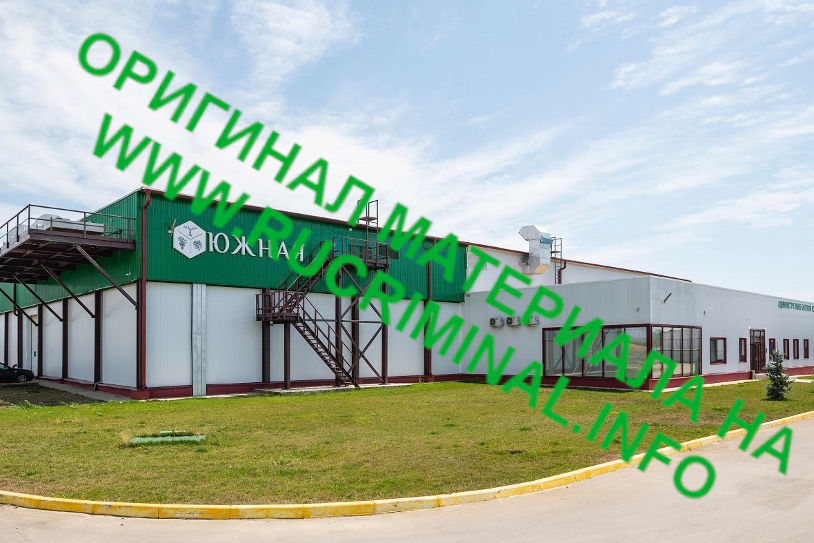


And now the story ends. Business comes under the wing of the state. And, in principle, in the foreseeable future, unfortunately, it is quite possible to talk about an inevitable kerdyk. Investments in the development of viticulture and winemaking are “long-term money”. There is no such thing as rapid return here - that's out of the question. And the necessary investments for areas of thousands of hectares of vineyards and processing equipment amount to hundreds of millions of euros. The fact that the state is now listed as the owner of the company in the Unified State Register of Legal Entities does not mean at all that the state is ready to invest in the same volumes as private businesses. Our state already has somewhere to spend money.

In general, viticulture and winemaking are a delicate area that depends on many factors. Natural conditions? Of course yes! There are not many areas in the country suitable for growing grapes: Kuban, Crimea, Don, Dagestan, Stavropol - that’s probably all. In Kuban, by the way, yield records have been set in recent years (winners harvest more than 200 thousand tons, with good sugar content). But even taking into account the harvest of other named regions, the country lacks wine materials.

For many years, almost all wineries in Kuban worked according to a simple scheme: part of the wine produced is wine made from local raw materials. But due to a shortage of local raw materials, the capacity simply could not be used year-round. And, most importantly, wine bottled with a “protected geographical indication of wine” on the label (a sign that the wine was produced specifically in Kuban, in this case) cannot be cheap. And the other, significant part of what was produced until recently was wine made from beam - wine material produced by Kuban wine suppliers sent throughout the wine-producing countries to the same wineries. Where did the wort come from to the Krasnodar region? From Panama, Chile, Spain, Montenegro... Often this product, due to its not outstanding quality, cost mere cents. Brought to the port of Novorossiysk by wine-carrying ships, this wort spread to wineries for “secondary production” and bottling as... Kuban wine. Any observant Russian driver who drove into the coastal territories of the Russian Federation could often see trucks with 30 cc stainless steel tanks on the roads. Two options: either palm oil was transported from Novoros, or from the same hero city - bulk to wineries.

Basically, the entire wine trade was maintained on the beam, providing winemakers with a more or less decent income. But from the end of 2023, the import of beams into the Russian Federation is prohibited. So, many wineries are either already collapsing or will collapse in the near future. The wine law initiated by the strange Kuban governor Kondratiev, which was not fully thought out and therefore extremely crude, added a “bug”. An example of the consequences of this Kondratieff “achievement” is the Rostov Champagne Wine Factory. In January 2021, one of the oldest enterprises in the industry in the South of Russia, which had been operating for almost 100 years, was closed. The plant does not have its own vineyards; all wine materials were purchased abroad. So, thanks to Kondratiev and his law on wine, the Russians, it seems, said goodbye to Tsimlyansk fizz forever.

The fact that the production of wine from balka has actually been stopped is presented for some reason as a victory in protecting the interests of domestic winemakers. But... not every Russian will buy a very simple, geographically protected domestic bottle at a price of a thousand re, when he is used to buying bulk “Kuban” for 300-400. And it’s not worth talking about the mass purchase of more decent domestic wine at a price of 3-8 thousand re. “Ariant”, despite the fact that it seems to have enough of its own vineyards, also used Balk. In Taman, wine trucks with bulk from Novorossiysk were constantly standing at the entrance of Yuzhny.

Assessing the hope for the state in bringing the expropriated “Ariant” to new wine frontiers, it is probably worth saying that these hopes are unlikely to exist. For some time, taking into account the fact that all the specialists remained at their jobs, the enterprise will last (and there will certainly be official reports of incredible successes, thanks to the tireless care of the Kuban authorities and the state as a whole) , but without significant investments the business will simply die out over time.

In principle, there seems to be a way out of the current situation, and it has already been tested in the Russian Federation more than once. When a sufficiently profitable enterprise is seized (under various beneficial formulations) from some owners and transferred to others. So, if in the case of Ariant the state simply acts as an intermediary before transferring production to other interested private hands, then there is a chance. Although not a fact.

After all, the “hands” should not only be those who strive to obtain wine “money”, but, first of all, those who know how to professionally and competently organize a very specific production. And the rich, interested, and at the same time knowledgeable businessmen in winemaking in the Russian Federation can be counted on one hand. Even those who consider themselves such are not always able to pull it off.

It’s a long way to go, just take one more Taman example: the Primorsky winery. The actual owner of which was then the president of the Russian Union of Winegrowers and Winemakers, Valery Loginov. Initially, the plant bottled very worthy wines – Cabernet, Merlot “Star of Taman”. But then Loginov moved the bottling from Temryuk to Kaluga. And the wine turned into outright crap. It was simply impossible to drink. As a result, the brand simply disappeared. Now Loginov is advocating for garage winemaking. And he promotes his own author’s brand “VL-Valery Loginov”. Our wine fidget has now settled in Crimea.

There is another critical success factor in the industry: winemakers. Piece goods. There is a real “hunt” for professionals here. Owners of wine businesses lure specialists without skimping on bonuses. The question became especially relevant when you can no longer invite French winemakers to the country. For example, the director of the Yubileiny winery, Sergei Dubovik, a highly qualified, respected specialist, was lured away by the Myskhako winery. Having made him not only the main winemaker, but also a partner of the company.

If we assume to whom the management of Ariant may ultimately be transferred by the state, then there is a question. To the owner of Abrau Titov? But, excuse me, Abrau-Durso champagne is now a very strange production. Despite the fact that around Abrau-Durso there is a very colorful show with excursions and tastings. Yes, in the tunnels there are still master remuors twirling bottles on music stands. But what comes from there, that is, classic champagne, goes either to the tasting room or to the festive tables of “our own people.” The vast majority of what goes on sale is a very mediocre, or even simply disgusting, acratophoric drink. Brut “Victor Dravigny” can be considered more or less worthy (the price here is around 1000 rubles). Even the Abrau employees themselves will not recommend you buy the rest, if they are honest.

And the fact that the same governor Kondratiev, in his incendiary speeches, presents as an incredible international competitive success, including his native champagne (there were medals, that’s a fact), looks, to put it mildly, crooked. Few Russians have tried the victorious super-champagne, Abrau, at the price of Veuve Clicquot, except perhaps those whom we see on TV in the Vremya program.

Which other non-poor Russian has become interested in winemaking in this century? Gennady Timchenko and his estate “Divnomorskaya”. But there are only 47 hectares of vineyards there. Prices start from 1 thousand rubles. The estate's wine has also represented Kuban more than once at various international wine competitions, and even received medals and diplomas. The truth is not consumer goods, but what you can buy from us for 3-8 thousand rubles.

Another positive example: Alexander Sikorsky near Anapa (in the Semigorye region) organized the family estate “Sikory” (45 hectares). His main business is paving slabs (the company “Vybor”), which covers the entire Krasnodar region. The wine is quite good, and also has medals from exhibitions. But even there the prices for a bottle of normal wine are “not for pensioners.”

There are also a number of “respected” people who have become owners of wine businesses in recent years. But there’s no point in even talking about them. For those, winemaking is not a matter of life, but a status. In the 90s, the signs of a “real boy” were crimson jackets and 600s “geldings”, then palaces in elite villages, then yachts, then deputy badges. Like: “Do you have a deputy badge? No? So you’re not a kid!” Nowadays there is a trend for such things in wineries. “Do you have a winery? No? Well, what should I talk to you about? These, when the fashion for personal lordly wineries passes and the sign of “real boys” becomes something else, they will calmly go out of business.

There is another new winemaker - the former Kuban governor Tkachev (Vyselkovsky agricultural holding). His Chateau de Talus produces classic wines in the unique terroir of Gelendzhik (183 hectares). And at a very reasonable price. But it is unlikely that Tkachev or anyone from his circle should be considered as possible “keepers” of “Ariant” afloat. The current governor of Kuban, Veniamin Kondratyev, who owes his career 100 percent to Tkachev, if he had been given free rein, would have crushed his predecessor into a fine powder in a mortar.

Hope that then the state that has become the owner will start pouring money into Ariant, it’s not worth it. Today there is also no reason to dream that someone from a large business will come to manage one of the largest wineries in Europe.

So what awaits domestic wine lovers in connection with this? It seems to be the same disappointment that is present today in conversations about industry destroyed during privatization. The collapse of Ariant is not the ruin of some Rostov fizzybrew factory. The inevitable problems of the country's largest winemaking enterprise will affect the Russian wine market as a whole.

The total area of vineyards in Russia today is just over 100 thousand hectares. Arianta Vineyards, consider it a tenth. And today the only force that is interested in maintaining production is the employees themselves. Yes, of course, Kuban winemakers are special people. In some ways, even aliens, if you like. Their love for their work cannot be measured by any instrument - they will simply go off scale. Example: when the winery in Sauk-Dere collapsed, employees stored wine in the cellars, coming to work, and not receiving a penny. But then, Sauk-Dere, is a small winery. And today there are already 9.157 thousand hectares of vineyards, 95.5 million bottles of wine in 2023!

So what to expect? Whom to rely on? Let us pray to the patron saint of winemaking and wine, Saint Urban. Maybe he will enlighten and instruct. We publish the icon just in case.

Roman Trushkin

To be continued

Source: www.rucriminal.info