вторник, 16 апреля 2024 г.

FSB hackers confiscated Lexus, Mercedes and Jaguar from the roof

A high-ranking counterintelligence officer was convicted of a bribe of 100 million rubles


As the telegram channel VChK-OGPU learned, the Perm Military Garrison Court issued a verdict in the case of taking a bribe of 100 million rubles by a senior officer of the FSB of the Russian Federation, Grigory Tsaregorodtsev. He received nine years in prison. Tsaregorodtsev must also pay a fine of 320 million rubles. Property registered in the name of relatives of an FSB officer will be turned over to the benefit of the state

Tsaregorodtsev headed the division of the Perm FSB Directorate, which carries out activities in the field of information security, that is, it must identify cybercriminals. In reality, Tsaregorodtsev spent seven years protecting these same hackers who traded information from bank cards. They paid him for his patronage.


In 2015, having started receiving money for patronage in order to justify where expensive real estate and cars suddenly began to appear in the family, Tsaregorodtsev opened Resurs LLC (TIN 5908007183) in the name of his wife’s father, his father-in-law Tsitko Sergei Stanislavovich (TIN 5908007183), through which he cashed out money and bought real estate , cars, registering for father-in-law and mother-in-law.

So, since 2015, they have had Lexus cars for all the women in the family (Tsaregorodtsev’s mother, sister, wife, mother-in-law). My father-in-law has two Mercedes, Tsaregorodtsev himself has a Jaguar, then a Range Rover.

Also, two private houses were bought for the father-in-law in the elite village of Ust-Tara on the Kama River.

During the search, Tsaregorodtsev was found to have a collection of expensive pens and watches, as well as valuables worth 25 million rubles.

The relationship with hackers of a high-ranking employee of the FSB of the Russian Federation grew into a friendly one; they communicated as families and spent weekends together. When the hackers were imprisoned by investigators from Moscow, they gave Tsaregorodtsev 100 million rubles for him to organize their transfer to Perm and release. And they waited for a long time - a year - for help, but they don’t abandon friends. But they didn’t receive it from Tsaregorodtsev.

In February 2022, it became known about the defeat of another gang of hacker carders. 6 members of the group were detained: businessman Vladislav Gilev, founder of a large company selling metal structures Artem Bystrykh, general director of the Saratovfilm Film Company Denis Pachevsky, businessman Alexander Kovalev, unemployed Yaroslav Solovyov and the head of the famous Perm IT office Get-Net Artem Zaitsev. The Tverskoy Court of Moscow arrested all six suspects in case No. 12201007754000092, initiated under Article 187 Part 2 - illegal circulation of payment funds.

As the Cheka-OGPU managed to find out, the hackers sold data from European and American cards and also stole money from them. The work was carried out through two sites - trump-dmps.ru and fe-accl8.ru. Traffic from them went to the data center, the base of which belongs to Zaitsev’s Get-Net LLC. In Perm, he is a well-known programmer, and his company supplies services to the local FSB. For example, in 2016, security officers purchased communication channels from Zaitsev, and the following year they rented premises.

After the arrest of the hackers, investigators from the Ministry of Internal Affairs began to notice a strange interest in the topic on the part of the head of the FSB department for the Perm Territory. Grigory Tsaregorodtsev tried in every possible way to transfer the detainees to the Perm pre-trial detention center under the pretext of carrying out certain events. It turned out that Tsaregorodtsev acted as a “roof” for a group of hackers in exchange for monthly payments.


Moreover, a classified witness in the case said that Vladislav Gilev, who previously headed the trade and construction company Uralenergostroy (one of the partners of Transtechcom Bystrykh), gave Tsaregorodtsev 100 million rubles in cash. The transfer was carried out by their mutual friend, Gilev’s business partner, Alexander Kovalev. Also, according to the witness, through her Tsaregorodtsev tried to calm the hackers, claiming that he was making every effort to get them out of prison. However, after a year behind bars and multiple court rejections of defense motions and appeals regarding the mitigation of the preventive measure, the detainees decided to “dump” their curator and revealed the fact of transferring money intended to bribe investigators.


Tsaregorodtsev was arrested.

According to the Zvezda.Perm channel, in 2016, a relative of Kovalev became a co-founder of the Perm IT company Get-Net. Another co-founder was Artem Zaitsev. Zaitsev is known in Perm for also being a co-owner of the cafes “Foboshnaya” and “Pokeshnaya”.

In 2016 and 2017, Get-Net concluded two government contracts with the FSB Directorate for the Perm Territory for the “placement of technological equipment.” It is worth clarifying that Get-Net owns a large data center in Perm.

According to investigators, from that time Tsaregorodtsev began to “protect” hackers. Over six years, he allegedly received 60 million rubles from them for hiding facts of criminal activity.

In February 2022, six people were detained on suspicion of illegal circulation of payments from American bank cards. Among the detainees are those mentioned above: Artem Zaitsev, Alexander Kovalev and Vladislav Gilev. Three more - general director of Saratovfilm LLC Denis Pachevsky, unemployed Yaroslav Solovyov and employee of Transtechcom LLC Artem Bystrykh.

Already a former FSB employee admitted that he received money, but insists that he committed fraud because he was not able to help the hackers (fraud carries a less severe penalty). However, the court handed down a sentence of 9 years of strict regime for receiving a bribe on an especially large scale. Tsaregorodtsev's defense will challenge this decision.

Last week, members of the hacker group, who were protected by Tsaregorodtsev, received short sentences - some were released from arrest, with their time in pretrial detention counted.

The hackers, who were protected by the Perm FSB officer, received short sentences - some were released from arrest, with the term of detention in pre-trial detention center counted


The Savelovsky Court of Moscow sentenced six hackers who were accused of illegal circulation of payment funds. According to investigators, the defendants provided those interested with credit card information from American banks, which allowed them to make payments without the knowledge of the real owners.


An interesting detail: the services of hackers were used by those citizens who wanted to hide the purchase of expensive items from regulatory and supervisory authorities. At the same time, the purchase scheme was simple and did not cause damage to the real owner of the card: the hackers’ client transferred the required amount to the card and immediately purchased the desired purchase with it. For some time, the card holder did not receive information about transactions carried out using the card.

During the investigation, the suspects testified that they were protected in Perm by an employee of the regional FSB Directorate, Grigory Tsaregorodtsev. Active cooperation with the investigation allowed three defendants to even change the preventive measure from arrest to a ban on certain actions.

On April 8, the court handed down sentences and gave the hackers sentences lower than what the prosecution requested. Two - Vladislav Gilev and Yaroslav Solovyov - were given time in pre-trial detention and released from the courtroom. Two - Denis Pachevsky and Artem Bystrykh - were sentenced to 3 years and 3 months of forced labor. Alexander Kovalev received 4 years in prison, Artem Zaitsev - 3.5 years (considering that they spent some time in a pre-trial detention center, they will be able to be released in the near future).

Timofey Grishin

Source: www.rucriminal.info

У крыши хакеров из ФСБ отобрали Лексус, Мерседесы и Ягуар

Высокопоставленного контрразведчика осудили за взятку в 100 млн рублей


Как стало известно телеграм-каналу ВЧК-ОГПУ, Пермский военный гарнизонный суд вынес приговор по делу о получении взятки в 100 млн руб руководящим сотрудником ФСБ РФ Григорием Царегородцевым. Он получил девять лет колонии. Также Царегородцев должен выплатит штраф в 320 млн. руб. Имущество, записанное на родственников сотрудника ФСБ, будет обращено в пользу государства

Царегородцев руководил подразделения Пермского УФСБ, которое осуществляет деятельность в сфере информационной безопасности, то есть должно выявлять киберпреступников. В реальности же Царегородцев на протяжении семи лет крышевал этих самых хакеров, торговавших информацией с банковских карт. Они платили ему за покровительство.


В 2015 году, начав получать деньги за покровительство, чтобы обосновать откуда в семье вдруг начала появляться дорогая недвижимость и машины, Царегородцев открыл на отца своей жены, своего тестя Цитко Сергея Станиславовича ООО Ресурс (ИНН 5908007183), через которую обналичивал деньги, и покупал недвижимость, машины, оформляя на тестя и тещу.

Так с 2015 у них появились машины Лексус для всех женщин в семье (мать Царегородцева, сестра, жена, теща). У тестя - два Мерседеса, у самого Царегородцева - Ягуар, потом - Range Rover.

Также на тестя были куплены два частных дома в элитном поселке Усть-Тары на реке Кама.

В ходе обыска у Царегородцева была обнаружена коллекция дорогих ручек и часов, а также ценности на 25 млн рублей.

Отношения с хакерами у высокопоставленного сотрудника ФСБ РФ переросли в разряд дружеских, они общались семьями, выходные вместе проводили. Когда хакеров посадили следователи из Москвы, они передали Царегородцеву 100 млн рублей за то, чтобы он организовал их перевод в Пермь и освобождение. И долго - год - ждали помощи, друзей же не кидают. Но не получили ее от Царегородцева.

В феврале 2022 стало известно о разгроме очередной банды хакеров-кардеров. Были задержаны 6 членов группировки: предприниматель Владислав Гилев, основатель крупной конторы по продаже металлоконструкций Артем Быстрых, гендиректор «Кинокомпании «Саратовфильм» Денис Пачевский, коммерсант Александр Ковалев, безработный Ярослав Соловьев и глава известной пермской IT-конторы Гет-Нэт Артем Зайцев. Тверской суд Москвы арестовал всех шестерых подозреваемых в рамках дела №12201007754000092, возбужденного по статье 187 ч.2 - неправомерный оборот средств платежей.

Как удалось выяснить ВЧК-ОГПУ, хакеры продавали данные европейских и американских карт, а также похищали с них деньги. Работа шла через два сайта - trump-dmps.ru и fe-accl8.ru. Трафик с них шел к дата-центру, база которого принадлежит ООО «Гет-Нэт» Зайцева. В Перми это известный программист, а его компания поставляет услуги местному ФСБ. Например, в 2016 чекисты закупали у Зайцева каналы связи, а в следующем году арендовали помещения.

После задержания хакеров, следователи МВД стали замечать странный интерес к теме со стороны начальника отдела ФСБ по Пермскому краю. Григорий Царегородцев всячески пытался перевести задержанных в СИЗО Перми под предлгом проведения неких мероприятий. Оказалось, что Царегородцев за ежемесячные платежи выступал "крышей" группировки хакеров.


Более того, засекреченный по делу свидетель рассказала, что Владислав Гилев, возглавлявший ранее торгово-строительную компанию Уралэнергострой (одного из партнеров Транстехкома Быстрых), передал Царегородцеву 100 млн рублей наличкой. Передачу осуществлял их общий знакомый, партнера Гилева по бизнесу, Александр Ковалев. Также, по словам свидетеля, через нее Царегородцев пытался успокоить хакеров, утверждая, что прилагает все усилия, чтобы их вытащить из тюрьмы. Однако, после года нахождения за решектой и многократных отклонений судом ходатайств защиты и апелляций по поводу смягчения меры пресечения, задержанные решили «слить» своего куратора и сдали факт передачи денег, предназначавшихся на подкуп следователей.


Царегородцева арестовали.

По данным канала Звезда.Пермь, в 2016 году родственница Ковалева стала соучредителем пермской IT-компании «Гэт-Нэт». Другим соучредителем был Артем Зайцев. Зайцев в Перми известен тем, что также являлся совладельцем кафе «Фобошная» и «Покешная».

В 2016 и 2017 гг «Гэт-Нэт» заключил с УФСБ по Пермскому краю два госконтракта на «размещение технологического оборудования». Стоит уточнить, что «Гэт-Нет» владеет в Перми крупным дата-центром.

По версии следствия, с этого времени Царегородцев начал «крышевать» хакеров. За шесть лет он, якобы, получил от них 60 млн рублей за то, что скрывал факты преступной деятельности.

В феврале 2022 года были задержаны шесть человек по подозрению в неправомерном обороте платежей с карт американских банков. Среди задержанных - упомянутые выше: Артем Зайцев, Александр Ковалев и Владислав Гилев. Ещё трое - гендиректор ООО «Саратовфильм» Денис Пачевский, безработный Ярослав Соловьев и сотрудник ООО «Транстехком» Артем Быстрых.

Сам уже бывший сотрудник ФСБ признал, что получал деньги, но настаивает, что совершил мошенничество, поскольку не имел возможности помочь хакерам (за мошенничество грозит менее суровое наказание). Однако суд вынес приговор – 9 лет строгого режима за получение взятки в особо крупном размере. Защита Царегородцева будет оспаривать это решение.

На прошлой неделе участники хакерской группы, которых «крышевал» Царегородцев, получили небольшие сроки – некоторых освободили из под ареста, зачтя срок содержания в СИЗО.

Хакеры, которых «крышевал» пермский ФСБшник, получили небольшие сроки – некоторых освободили из под ареста, зачтя срок содержания в СИЗО


Савеловский суд Москвы вынес приговор шести хакерам, которые обвинялись в неправомерном обороте средств платежей. По версии следствия, фигуранты предоставляли желающим данные кредитных карт американских банков, которые позволяли производить с их помощью платежи без ведома настоящих владельцев.


Интересная деталь: услугами хакеров пользовались те граждане, которые хотели скрыть от контролирующих и надзорных органов приобретение дорогих предметов. При этом схема покупки была простой и не причиняла ущерба реальному владельцу карты: клиент хакеров перечислял на карту необходимую сумму и тут же приобретал на нее нужную покупку. Держатель карты какое-то время информации о проведенных с ее помощью операциях не получал.

Во время следствия, подозреваемые дали показания, что им в Перми покровительствовал сотрудник краевого УФСБ Григорий Царегородцев. Активное сотрудничество со следствием позволило трем фигурантам даже сменить меру пресечения с ареста на запрет определенных действий.

8 апреля суд вынес приговоры и дал хакерам сроки ниже, чем запрашивало обвинение. Двоим - Владиславу Гилеву и Ярославу Соловьеву - учли время в СИЗО и отпустили из зала суда. Двое - Денис Пачевский и Артем Быстрых - приговорены к 3 годам 3 месяцам принудительных работ. Александр Ковалев получил 4 года колонии, Артем Зайцев — 3,5 года (учитывая, что какое-то время они провели в следственном изоляторе, выйти на свободу они смогут в ближайшее время).

Тимофей Гришин

Источник: www.rucriminal.info

понедельник, 15 апреля 2024 г.

“Kuban originality”: secrets of the wine business

Friends of Putin, the cheapest wort, acratophoric drink


The largest Russian wine producer, Kuban-Vino, became state property. This was reported by RBC with reference to data from the Unified State Register of Legal Entities. Previously, the owner of the wine company was the Ariant group of companies. Now 100% of the share in the capital belongs to the Russian Federation. Changes to the database were made on April 10. Despite the righteousness of anger towards former business owners, Rucriminal.info will try to objectively assess the prospects for domestic winemaking. And these prospects do not look rosy.


The recent prehistory of large wine nationalization dates back to February of this year. The Ariant company was one of those that, at the request of the Prosecutor General's Office, were seized from their owners during the proceedings at the Chelyabinsk Electrometallurgical Plant. On February 7, the Arbitration Court of the Sverdlovsk Region agreed with the request of the Prosecutor General's Office to arrest the shares of Serov Ferroalloy Plant JSC, Chelyabinsk Electrometallurgical Plant JSC and Kuznetsk Ferroalloys JSC, which belong to Etalon Company JSC, the parent company of the industrial group of the Chelyabinsk Electrometallurgical Plant. On February 26, the Sverdlovsk Arbitration Court satisfied the claim of the Prosecutor General's Office and transferred all these enterprises to state ownership. And on the same day, the ex-owner of ChMEK Yuri Antipov was detained.


Representatives of the Prosecutor General's Office argued that the assets of the factories were transferred abroad in order to harm national interests. In February 2023, Yuriy Antipov registered the assets of Etalon JSC, after which the ChMEC factories came under the control of firms from unfriendly states (we are talking about the Swiss RFA International), according to prosecutors’ convictions. All that remained was to wait for the Prosecutor General's Office to take over other businesses of the disgraced owners of metallurgical enterprises. In particular, winemaking.

The history of "Ariant" dates back to the beginning of the century. In the Krasnodar Territory, a new governor had just been elected - Alexander Tkachev. One of the young governor’s “tricks” was precisely his concern for the development of winemaking. Taking into account the fact that at that time, Adygea unexpectedly became almost the champion of the Russian Federation in terms of wine production, where there are no large-scale vineyards at all (what was called Adygea wine on the market shelves was made from incomprehensible concentrates), it is clear that Tkachev sought to make Krasnodar The region is the main wine-growing region of the country. After all, the overwhelming percentage of Russian vineyards are Kuban vineyards, and the task seemed to be logical.

And it was “Ariant” that became a symbol of a new, modern approach to winemaking in the region. Although at first everything did not go so smoothly.

Among the Kuban vice-governors recruited by Tkachev “under arms” at that time, two had anything to do with the Ariant story: Alexander Fontanetsky and Leonid Baklitsky. Chelyabinsk residents - owners of the metallurgical business Arestov and Antipov - began to show interest in the farms of the most fertile viticultural region of the Krasnodar Territory - Temryuksky. Negotiations were held with the management of seven Temryuk farms located in Golubitskaya, Gorkusha, Starotitarovskaya, Kurchanskaya, Taman. Vitsik Fontanetsky, they said, was well motivated by the Urals for lobbying their interests. And for some time the process of buying up shares and “separate negotiations” remained outside the attention of Tkachev, who then stood up for Kuban originality. But when the young governor found out about the wine-undercover investigation, a “tank” was sent to “resolve the issue” - another vice-governor - Leonid Baklitsky. Which all seven directors firmly promised to individually roll into the asphalt everyone who encroaches on the Kuban wine heritage. As Boris Chigrik, the then director of the Yuzhnaya agricultural firm located in Taman, later said, the directors, after Baklitsky’s trends, got together, “rubbed out” the prospects, and decided to ignore the imperious anger. They sat down, flew to the Urals and concluded agreements. The Yuzhnaya agricultural firm, which at that time owned more than 6 thousand hectares of vineyards (in 2015, the company increased the vineyard area by another 2.5 thousand hectares, becoming one of the largest owners of vineyards in Europe. Now the area of Yuzhnaya vineyards is off the charts for 9 thousand hectares).


The winery in Kurchanskaya, the winery in Starotitarovskaya, where, in fact, bottling was carried out (Starotitarovka is designated as the place of production of all Kuban-Vino products) and a number of other enterprises came under the wing of Arianta.

Tkachev, although he received an unpleasant slap on the nose because his opinion was ignored, was still one of those leaders who could shove personal grievances far away if the “opponents” showed obvious results. In the first year, Ariant invested more than 50 million euros in production. The centuries-old winemaking rubbish was replaced with modern equipment. Then, over the next five years, another 70 million euros were invested o to the vineyards. Vine seedlings were purchased throughout wine-producing Europe. The most authoritative oenologist Jerome Barre, now director of the Institute of Oenology (French province of Champagne), was invited as a consultant.

To mark the opening of a new production, he was cutting the ribbon... Tkachev, who, having replaced his anger with winemaking mercy, remarked: “Well, they certainly won’t take out either the vineyards or the equipment, which means all this is for the benefit of the region.” Although he did make Fontanetsky one of the vice-governors. With a vague wording: “Thank you for the work done,” with wishes for further success.

The new wine brand “Arianta” - “Chateau Taman”, began to win the hearts of Russians who love good wine.

As part of import substitution, the largest nursery in Russia and the CIS countries was created (and in Europe it has no equal in terms of production volume).


And now the story ends. Business comes under the wing of the state. And, in principle, in the foreseeable future, unfortunately, it is quite possible to talk about an inevitable kerdyk. Investments in the development of viticulture and winemaking are “long-term money”. There is no such thing as rapid return here - that's out of the question. And the necessary investments for areas of thousands of hectares of vineyards and processing equipment amount to hundreds of millions of euros. The fact that the state is now listed as the owner of the company in the Unified State Register of Legal Entities does not mean at all that the state is ready to invest in the same volumes as private businesses. Our state already has somewhere to spend money.

In general, viticulture and winemaking are a delicate area that depends on many factors. Natural conditions? Of course yes! There are not many areas in the country suitable for growing grapes: Kuban, Crimea, Don, Dagestan, Stavropol - that’s probably all. In Kuban, by the way, yield records have been set in recent years (winners harvest more than 200 thousand tons, with good sugar content). But even taking into account the harvest of other named regions, the country lacks wine materials.

For many years, almost all wineries in Kuban worked according to a simple scheme: part of the wine produced is wine made from local raw materials. But due to a shortage of local raw materials, the capacity simply could not be used year-round. And, most importantly, wine bottled with a “protected geographical indication of wine” on the label (a sign that the wine was produced specifically in Kuban, in this case) cannot be cheap. And the other, significant part of what was produced until recently was wine made from beam - wine material produced by Kuban wine suppliers sent throughout the wine-producing countries to the same wineries. Where did the wort come from to the Krasnodar region? From Panama, Chile, Spain, Montenegro... Often this product, due to its not outstanding quality, cost mere cents. Brought to the port of Novorossiysk by wine-carrying ships, this wort spread to wineries for “secondary production” and bottling as... Kuban wine. Any observant Russian driver who drove into the coastal territories of the Russian Federation could often see trucks with 30 cc stainless steel tanks on the roads. Two options: either palm oil was transported from Novoros, or from the same hero city - bulk to wineries.

Basically, the entire wine trade was maintained on the beam, providing winemakers with a more or less decent income. But from the end of 2023, the import of beams into the Russian Federation is prohibited. So, many wineries are either already collapsing or will collapse in the near future. The wine law initiated by the strange Kuban governor Kondratiev, which was not fully thought out and therefore extremely crude, added a “bug”. An example of the consequences of this Kondratieff “achievement” is the Rostov Champagne Wine Factory. In January 2021, one of the oldest enterprises in the industry in the South of Russia, which had been operating for almost 100 years, was closed. The plant does not have its own vineyards; all wine materials were purchased abroad. So, thanks to Kondratiev and his law on wine, the Russians, it seems, said goodbye to Tsimlyansk fizz forever.

The fact that the production of wine from balka has actually been stopped is presented for some reason as a victory in protecting the interests of domestic winemakers. But... not every Russian will buy a very simple, geographically protected domestic bottle at a price of a thousand re, when he is used to buying bulk “Kuban” for 300-400. And it’s not worth talking about the mass purchase of more decent domestic wine at a price of 3-8 thousand re. “Ariant”, despite the fact that it seems to have enough of its own vineyards, also used Balk. In Taman, wine trucks with bulk from Novorossiysk were constantly standing at the entrance of Yuzhny.

Assessing the hope for the state in bringing the expropriated “Ariant” to new wine frontiers, it is probably worth saying that these hopes are unlikely to exist. For some time, taking into account the fact that all the specialists remained at their jobs, the enterprise will last (and there will certainly be official reports of incredible successes, thanks to the tireless care of the Kuban authorities and the state as a whole) , but without significant investments the business will simply die out over time.

In principle, there seems to be a way out of the current situation, and it has already been tested in the Russian Federation more than once. When a sufficiently profitable enterprise is seized (under various beneficial formulations) from some owners and transferred to others. So, if in the case of Ariant the state simply acts as an intermediary before transferring production to other interested private hands, then there is a chance. Although not a fact.

After all, the “hands” should not only be those who strive to obtain wine “money”, but, first of all, those who know how to professionally and competently organize a very specific production. And the rich, interested, and at the same time knowledgeable businessmen in winemaking in the Russian Federation can be counted on one hand. Even those who consider themselves such are not always able to pull it off.

It’s a long way to go, just take one more Taman example: the Primorsky winery. The actual owner of which was then the president of the Russian Union of Winegrowers and Winemakers, Valery Loginov. Initially, the plant bottled very worthy wines – Cabernet, Merlot “Star of Taman”. But then Loginov moved the bottling from Temryuk to Kaluga. And the wine turned into outright crap. It was simply impossible to drink. As a result, the brand simply disappeared. Now Loginov is advocating for garage winemaking. And he promotes his own author’s brand “VL-Valery Loginov”. Our wine fidget has now settled in Crimea.

There is another critical success factor in the industry: winemakers. Piece goods. There is a real “hunt” for professionals here. Owners of wine businesses lure specialists without skimping on bonuses. The question became especially relevant when you can no longer invite French winemakers to the country. For example, the director of the Yubileiny winery, Sergei Dubovik, a highly qualified, respected specialist, was lured away by the Myskhako winery. Having made him not only the main winemaker, but also a partner of the company.

If we assume to whom the management of Ariant may ultimately be transferred by the state, then there is a question. To the owner of Abrau Titov? But, excuse me, Abrau-Durso champagne is now a very strange production. Despite the fact that around Abrau-Durso there is a very colorful show with excursions and tastings. Yes, in the tunnels there are still master remuors twirling bottles on music stands. But what comes from there, that is, classic champagne, goes either to the tasting room or to the festive tables of “our own people.” The vast majority of what goes on sale is a very mediocre, or even simply disgusting, acratophoric drink. Brut “Victor Dravigny” can be considered more or less worthy (the price here is around 1000 rubles). Even the Abrau employees themselves will not recommend you buy the rest, if they are honest.

And the fact that the same governor Kondratiev, in his incendiary speeches, presents as an incredible international competitive success, including his native champagne (there were medals, that’s a fact), looks, to put it mildly, crooked. Few Russians have tried the victorious super-champagne, Abrau, at the price of Veuve Clicquot, except perhaps those whom we see on TV in the Vremya program.

Which other non-poor Russian has become interested in winemaking in this century? Gennady Timchenko and his estate “Divnomorskaya”. But there are only 47 hectares of vineyards there. Prices start from 1 thousand rubles. The estate's wine has also represented Kuban more than once at various international wine competitions, and even received medals and diplomas. The truth is not consumer goods, but what you can buy from us for 3-8 thousand rubles.

Another positive example: Alexander Sikorsky near Anapa (in the Semigorye region) organized the family estate “Sikory” (45 hectares). His main business is paving slabs (the company “Vybor”), which covers the entire Krasnodar region. The wine is quite good, and also has medals from exhibitions. But even there the prices for a bottle of normal wine are “not for pensioners.”

There are also a number of “respected” people who have become owners of wine businesses in recent years. But there’s no point in even talking about them. For those, winemaking is not a matter of life, but a status. In the 90s, the signs of a “real boy” were crimson jackets and 600s “geldings”, then palaces in elite villages, then yachts, then deputy badges. Like: “Do you have a deputy badge? No? So you’re not a kid!” Nowadays there is a trend for such things in wineries. “Do you have a winery? No? Well, what should I talk to you about? These, when the fashion for personal lordly wineries passes and the sign of “real boys” becomes something else, they will calmly go out of business.

There is another new winemaker - the former Kuban governor Tkachev (Vyselkovsky agricultural holding). His Chateau de Talus produces classic wines in the unique terroir of Gelendzhik (183 hectares). And at a very reasonable price. But it is unlikely that Tkachev or anyone from his circle should be considered as possible “keepers” of “Ariant” afloat. The current governor of Kuban, Veniamin Kondratyev, who owes his career 100 percent to Tkachev, if he had been given free rein, would have crushed his predecessor into a fine powder in a mortar.

Hope that then the state that has become the owner will start pouring money into Ariant, it’s not worth it. Today there is also no reason to dream that someone from a large business will come to manage one of the largest wineries in Europe.

So what awaits domestic wine lovers in connection with this? It seems to be the same disappointment that is present today in conversations about industry destroyed during privatization. The collapse of Ariant is not the ruin of some Rostov fizzybrew factory. The inevitable problems of the country's largest winemaking enterprise will affect the Russian wine market as a whole.

The total area of vineyards in Russia today is just over 100 thousand hectares. Arianta Vineyards, consider it a tenth. And today the only force that is interested in maintaining production is the employees themselves. Yes, of course, Kuban winemakers are special people. In some ways, even aliens, if you like. Their love for their work cannot be measured by any instrument - they will simply go off scale. Example: when the winery in Sauk-Dere collapsed, employees stored wine in the cellars, coming to work, and not receiving a penny. But then, Sauk-Dere, is a small winery. And today there are already 9.157 thousand hectares of vineyards, 95.5 million bottles of wine in 2023!

So what to expect? Whom to rely on? Let us pray to the patron saint of winemaking and wine, Saint Urban. Maybe he will enlighten and instruct. We publish the icon just in case.

Roman Trushkin

To be continued

Source: www.rucriminal.info

«Кубанская исконность»: тайны винного бизнеса

Друзья Путина, самое дешевое сусло, акратофорный напиток


Крупнейший российский производитель вина «Кубань-Вино» перешел в собственность государства. Об сообщил РБК со ссылкой на данные Единого госреестра юридических лиц. Ранее собственником винодельческой фирмы выступала группа компаний «Ариант». Теперь 100% доли в капитале принадлежит Российской Федерации. Изменения в базу были внесены 10 апреля. Несмотря на праведность гнева по отношению к уже бывшим владельцам бизнеса, Rucriminal.info попытается объективно оценить перспективы отечественного виноделия. И перспективы эти радужными не выглядят.


Недавняя предистория крупного винного огосударствления датируется февралем этого года. Компания «Ариант» входила в число тех, которые по иску Генеральной прокуратуры были изъяты у владельцев в ходе разбирательств по Челябинскому электрометаллургическому комбинату. 7 февраля арбитражный суд Свердловской области согласился с требованием Генпрокуратуры арестовать акции АО «Серовский завод ферросплавов», АО «Челябинский электрометаллургический комбинат» и АО «Кузнецкие ферросплавы» которые принадлежат АО «Компания «Эталон», - это материнская компания промышленной группы Челябинского электрометаллургического комбината. 26 февраля Свердловский арбитраж удовлетворил иск Генпрокуратуры и передаче всех этих предприятий в собственность государства. И в тот же день экс-владелец ЧМЭК Юрий Антипов был задержан.


Представители Генпрокуратуры утверждали, что активы заводов были выведены за границу с целью нанесения ущерба национальным интересам. В феврале 2023-го Юрий Антипов оформил активы на АО «Эталон», после чего заводы ЧМЭК попали по убеждению прокурорских под контроль фирм недружественных государств (речь о швейцарской RFA International). Оставалось только дожидаться, когда Генпрокуратура возьмется за прочие бизнесы опальных владельцев металлургический предприятий. В частности винодельческий.

История «Арианта» ведется с начала века. В Краснодарском крае тогда только что был избран новый губернатор – Александр Ткачев. Одной из «фишек» молодого губернатора стала как раз забота о развитии виноделия. С учетом того, что на тот момент чуть ли не чемпионом РФ по объему выпуска вина неожиданно стала Адыгея, где масштабных виноградников нет совсем (то, что на полках маркетов именовалось вином Адыгеи сотворяли из непонятных концентратов), понятно, что Ткачев стремился сделать именно Краснодарский край главным винодельческим регионом страны. Ведь подавляющий процент российский виноградников – это кубанские виноградники, и задача вроде как была логичной.

И именно «Ариант» стал символом нового, современного подхода к виноделию в регионе. Хотя поначалу все складывалось не так гладко.

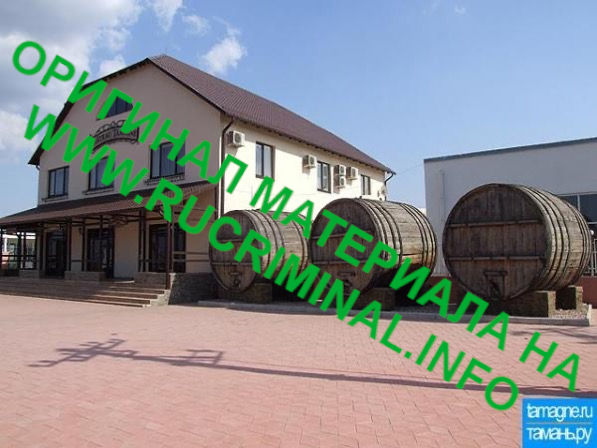
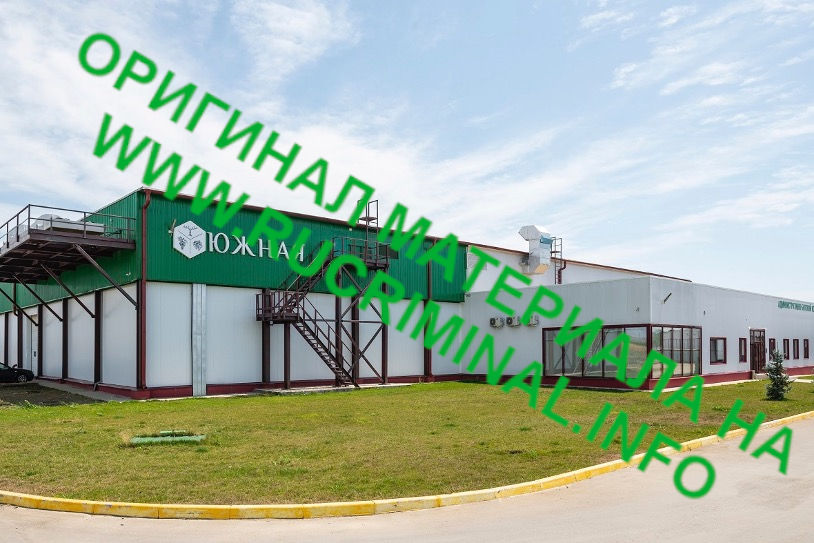
Среди набранных тогда Ткачевым «под ружье» кубанских вице-губернаторов к истории с «Ариантом» отношение имели двое – Александр Фонтанецкий и Леонид Баклицкий. К хозяйствам самого благодатного виноградарского района Краснодарского края – Темрюкского стали проявлять интерес челябинцы – владельцы металлургического бизнеса Арестов и Антипов. Были проведены переговоры с руководством семи темрюкских хозяйств, расположенных в Голубицкой, Горькушах, Старотитаровской, Курчанской, Тамани. Вицика Фонтанецкого, поговаривали, уральцы неплохо мотивировали за лоббирование их интересов. И какое-то время процесс скупки акций, «сепаратные переговоры» оставались вне внимания Ткачева, который тогда ратовал за кубанскую исконность. Но когда молодой губернатор о вино-подковерной проработке узнал на «решение вопроса» был послан «танк» - еще один вице-губернатор - Леонид Баклицкий. Который всем семи директорам твердо обещал индивидуально закатать в асфальт каждого, кто кубанскую винную исконность покуситься. Как потом рассказывал тогдашний директор расположенной в Тамани агрофирмы «Южная» Борис Чигрик, директора после трендюлей Баклицкого собрались, «перетерли» перспективы, и решили властный гнев проигнорировать. Сели, полетели на Урал и заключили договора. Агрофирма «Южная», владеющая на тот момент более чем 6 тысячами га виноградников (в 2015-м фирма нарастила площади виноградников еще на 2,5 тысячи га, став одним из крупнейших собственников виноградников в Европе. Ныне площадь виноградников «Южной» зашкаливает за 9 тыс. га.).



Винзавод в Курчанской, винзавод в Старотитаровской, где, собственно, и проводился розлив (именно Старотитаровка обозначается местом производства всей продукции «Кубань-Вино») и ряд других предприятий перешли под крыло «Арианта».

Ткачев, хоть и получил неприятный щелок по носу оттого, что его мнение проигнорировали, все же был из числа тех руководителей, кто личные обиды мог засунуть куда подальше, если у «оппоненты» показывали очевидный результат. В первый же год «Ариант» инвестировал в производство более 50 миллионов евро. Винодельческий прошловековой хлам был заменен на современное оборудование. Затем в течении последующих пяти лет были инвестировано еще 70 миллионов евро в виноградники. Саженцы лоз закупали по всей винодельческой Европе. В качестве консультанта был приглашен авторитетнейший энолог Жером Барре, ныне директор Института энологии (французская провинция Шампань).

На открытие нового производства ленту резал… Ткачев, который, сменив гнев на винодельческую милость, заметил: «Ну, они же ни виноградники , ни оборудование точно не вывезут, значит все это краю во благо». Хотя Фонтанецкого он из вице-губернаторов все же навернул. С расплывчатой формулировкой: «Спасибо за проделанную работу», с пожеланиями дальнейших успехов.

Новый винный бренд «Арианта» - «Шато Тамань», стал завоевывать сердца любящих хорошее вино россиян.

В рамках импортозамещания был создан самый крупный в России и в странах СНГ питомник (да и в Европе ему нет равных по объемам производства).


И вот сейчас история завершается. Бизнес переходит под крыло государства. И, в принципе, в обозримом будущем тут, к сожалению, вполне можно говорить о неизбежном кердыке. Вложения в развитие виноградарства и виноделия – это «долгие деньги». Стремительной отдачи тут не бывает, - исключено. А необходимые вложения для площадей в тысячи гектаров виноградников, в оборудование переработки исчисляются сотнями миллионов евро. То, что в ЕГРЮЛ собственником фирмы ныне значится государство, вовсе не значит, что государство готово вкладываться в тех же объемах, что вкладывался частный бизнес. Нашему государству и без того есть куда деньги девать.

Вообще виноградарство и виноделие – тонкая сфера, зависимая от многих факторов. Природные условия? Конечно, да! Не так много в стране территорий, подходящих для выращивания винограда: Кубань, Крым, Дон, Дагестан, Ставрополье – вот, пожалуй, и все. На Кубани, кстати, последние годы ставятся рекорды урожайности (виноградари собирают более 200 тысяч тонн, при хороших показателях сахаристости). Но даже с учетом урожая прочих названных регионов виноматериала в стране не хватает.

Практически все винодельческие заводы Кубани долгие годы работали по простой схеме: часть выпускаемого вина, - это вино изготовленное из местного сырья. Но из-за дефицита местного сырья, мощности просто не могли быть загружены круглогодично. И, главное, вино, разлитое в бутылки, где на этикетках значится «защищенное географическое наименование вина» (знак того, что вино произведено именно на Кубани, в данном случае) дешевым быть не может. А другая, значительная часть до недавнего времени выпускаемого, - это вино изготовленное из балка – виноматериала, добытого рассылаемыми по винодельческим странам кубанскими вино-снабженцам тех же винзаводов. Откуда только сусло в Краснодарский край не тягали. Из Панамы, Чили, Испании, Черногории… Зачастую сей продукт, в следствии своего не выдающегося качества, стоил сущие центы. Пригоняемое в порт Новороссийск судами-виновозами, данное сусло расползалось по винзаводам для «вторички» и розлива уже как… кубанское вино. Любой наблюдательный российский водитель, заехавший на приморские территории РФ, часто на дорогах мог видеть грузовички с 30-кубовыми цистернами из нержавейки. Два варианта: это либо везли из Новороса пальмовое масло, либо из того же города-героя – балк на винзаводы.

В основном на балке и держалась вся винная коммерция, обеспечивая виноделам более-менее достойный доход. Но с конца 2023-го ввоз балка в РФ запрещен. Так что, многие винодельческие предприятия либо уже рушатся, либо рухнут в ближайшее время. Добавил «головняка» и инициированный странным кубанским губернатором Кондратьевым до конца не продуманный, и оттого крайне сырой винный закон. Пример, последствий этого кондратьевского «достижения» - Ростовский комбинат шампанских вин. В январе 2021-го одно из старейших предприятий отрасли Юга России, проработавшее почти 100 лет было закрыт. У комбината своих виноградников нет, весь виноматериал закупался за рубежом. Так что, благодаря Кондратьеву и его закону о вине, россияне, похоже навсегда, распрощались к Цимлянской шипучкой.

То, что изготовление вина из балка фактически прекращено, подается отчего-то как победа в деле защиты интересов отечественных виноделов. Но… не каждый россиянин станет покупать сильно простенькую географически защищенную отечественную бутылочку ценой за тысячу рэ, когда он привык покупать балковое «кубанское» за 300-400. А уж о массовой покупке более приличного отечественного вина ценой в 3-8 тысяч рэ и говорить не стоит. «Ариант» при том, что у него вроде достаточно собственных виноградников, балк тоже использовал. В Тамани у проходной «Южного» постоянно стояли виновозы с балком из Новороссийска.

Оценивая надежду на государство в деле выхода экспроприированного «Арианта» на новые винные рубежи, стоит, наверное, заявить, что эти надежды вряд ли имеют место быть. Какое-то время, с учетом того, что все спецы остались на рабочих местах, предприятие продержится (и наверняка будут властные отчеты о невероятных успехах, благодаря неустанной заботе кубанской власти и государства в целом), но без значительных вложений дело со временем просто заглохнет.

Выход из сложившегося, в принципе, как бы есть, и он уже не раз в РФ обкатан. Когда достаточно доходное предприятие, изымается (под различными благостными формулировками) у одних собственников и передается другим. Так, что, если в случае с «Ариантом» государство выступит просто как посредник перед передачей производства в другие заинтересованные частные руки, то шанс есть. Хотя не факт.

Ведь «руки» должны быть не просто стремящихся к получению винного «бабла», но, прежде всего, знающих как профессионально, грамотно организовать очень специфичное производство. А богатых, заинтересованных, и одновременно разбирающихся в виноделии бизнесменов в РФ, по пальцам пересчитать. Даже, те, кто сами считают себя таковыми, и то, далеко не всегда дело способны потянуть.

Что далеко ходить, взять хотя бы еще один таманский пример: винзавод «Приморский». Фактическим владельцем которого тогда был целый президент «Российского союза виноградарей и виноделов» Валерий Логинов. Первоначально завод разливал весьма достойные вина – Каберне, Мерло «Звезда Тамани». Но потом розлив Логинов перенес из Темрюка в Калугу. И вино превратилось в откровенную хрень. Пить которую было просто невозможно. В итоге бренд просто исчез. Сейчас Логинов ратует уже за гаражное виноделие. И продвигает собственный авторский бренд «VL- Валерий Логинов». В Крыму наш винный непоседа ныне обосновался.

Есть еще один важнейшей фактор успеха в отрасли: виноделы. Штучный товар. За профессионалами тут ведется настоящая «охота». Владельцы винных бизнесов переманивают спецов, не скупясь на бонусы. Особенно, актуальным стал вопрос, когда виноделов –французов в страну уже не пригласишь. К примеру, директора винодельни «Юбилейная» Сергея Дубовика – высококлассного, уважаемого специалиста, переманила к себе винодельня «Мысхако». Сделав не только главным виноделом, но и партнером компании.

Если предположить, кому в итоге государством может быть передано управление «Ариантом», то тут вопрос. Владельцу «Абрау» Титову? Но, извините, шампанское «Абрау-Дюрсо» сейчас весьма странное производство. При том, что вокруг «Абрау-Дюрсо» шоу обустроено весьма красочное с экскурсиями и дегустациями. Да, в тоннелях по-прежнему мастера-ремюоры вертят бутылки в пюпитрах. Но то, что оттуда достается, то есть классическое шампанское, идет либо в дегустационных зал, либо на праздничные столы «своим». В продажу поступает, в подавляющем большинстве весьма посредственный, а то и просто отвратительный акратофорный напиток. Более-менее достойным можно считать брют «Victor Dravigny» (цена тут в районе 1000 рэ). Остальное вам не порекомендуют покупать даже сами сотрудники Абрау, если будут откровенны.

А то что, тот же губернатор Кондратьев, в своих зажигательных спичах подает, как невероятный международный конкурсный успех, в том числе, и родного шампанского (медали-то были, это факт), выглядит, мягко скажем кривовато. Победное супер-шампанское, «Абрау» ценой под «Вдову Клико», мало кто из россиян пробовал, разве что те, кого мы по телеку в программе «Время» видим.

Кто еще из небедных россиян увлекся в нынешнем веке виноделием? Геннадий Тимченко и его усадьба «Дивноморская». Но там всего 47 га виноградников. Цены начинаются от 1 тыс. руб. Вино усадьбы тоже не раз представляло Кубань на различных международных винных конкурсах, и даже получало медали и дипломы. Правда не ширпотреб, а то, что у нас можно купить уже за 3-8 тысяч рублей.

Другой позитивный пример: Александр Сикорский под Анапой (в районе Семигорья) организовал фамильное имение «Сикоры» (45 га). Основной его бизнес – тротуарная плитка (фирма «Выбор»), которой услан весь Краснодарский край. Вино весьма недурное, и тоже с медалями выставок. Но и там цены за бутылку нормального вина «не для пенсионеров».

Есть еще ряд «уважаемых», которые стали в последние годы владельцами винных бизнесов. Но о них даже смысла нет говорить. Для тех, виноделие не дело жизни, а статус. В 90-е признаками «настоящего пацана» были малиновые пиджаки и 600-е «мерины», затем дворцы в элитных поселках, потом яхты, потом депутатские значки. Типа: «А у тебя есть депутатский значок? Нет? Значит ты не пацан!». Ныне для таких тренд на винодельни. «А у тебя есть винодельня? Нет? Ну, о чем с тобой говорить?». Эти, когда мода на личные барские винодельни пройдет и признаком «настоящих пацанов» станет что-то иное, из бизнеса спокойно свалят.

Есть еще один новый винодел – бывший кубанский губернатор Ткачев (агрохолдинг «Выселковский»). Его «Шато де Талю» производит классические вина в уникальном терруаре Геленджика (183 га). И по вполне божеской цене. Но вряд ли Ткачева или кого-то из его окружения, стоит рассматривать как возможных «удержателей» «Арианта» на плаву. Нынешний губернатор Кубани Вениамин Кондратьев, который на 100 процентов обязан своей карьерой именно Ткачеву, дай ему волю, истолок бы своего предшественника в ступке в мелкий порошок.

Надеяться на то, что в «Ариант» начнет вливать деньги ставшее собственником государство, не стоит. Мечтать о том, что к управлению одной из крупнейших в Европе винодельческих предприятий придет кто-то из бизнес-крупняка, - тоже сегодня нет оснований.

И вот, что в связи, с этим ждет отечественных любителей вина? Похоже, такое же разочарование, которое сегодня присутствует в разговорах о разрушенной по ходу приватизации промышленности. Обрушение «Арианта» - это не разорение какого-то ростовского завода шипучек. Неизбежные проблемы крпунейшего в стране винодельческого предприятия скажутся и на российском рынке вина в целом.

Общая площадь виноградников в России на сегодня чуть более 100 тысяч га. Виноградники «Арианта», считай, десятая часть. И на сегодня единственная сила, которая заинтересована в сохранении производства – сами сотрудники. Да, конечно, кубанские виноделы – это люди особые. В чем-то даже инопланетяне, если хотите. Их любовь к делу не измерить никаким прибором, – те просто будут зашкаливать. Пример: когда рушился винзавод в Саук-Дере, сотрудники сохраняли вино в подвалах, приходя на работу, и не получая при этом ни копейки. Но то, Саук-Дере, - небольшая винодельня. А тут на сегодня уже 9, 157 тыс га виноградников, 95, 5 миллионов бутылок вина в 2023-м!

И что ожидать? На кого надеяться? Помолимся покровителю виноделия и вина святому Урбану. Может вразумит и наставит. Публикуем иконку на всякий случай.

Роман Трушкин

Продолжение следует

Источник: www.rucriminal.info

воскресенье, 14 апреля 2024 г.

The secret of the “feeding trough” of Marat Khusnullin FRT

“Cutting up” government funds instead of “improving the quality of life of citizens of the Russian Federation”


The flood emergency in the Orenburg region dealt another blow to the image of Deputy Prime Minister Marat Khusnullin, who oversees the construction industry. The President of the Russian Federation sent the head of the Ministry of Construction, Irek Faizullin, to deal with the emergency. The report on the agency’s website has not yet published the reasons for the incident, so we have to be content with the version voiced by the dam’s builder – that the billion-ruble structure was gnawed by mice. Details at Rucriminal.info.

Irek Faizullin, Marat Khusnullin’s man, came to the government with him from the post of head of the Ministry of Construction of the Republic of Tatarstan. Before Fayzullin, Khusnullin held this post for almost 10 years, and then for the same amount of time he was deputy mayor of Moscow and supervised the construction unit. Neither Khusnullin nor Fayzullin commented on the version with mice.


Marat Khusnullin, who took the post of Deputy Prime Minister in January 2020, controls the cash flows of the construction industry through the Public Law Company (PPK) “Unified Customer” and the PPK “Territory Development Fund”, in which he holds the post of head of the supervisory board. This was reported by the VChK-OGU telegram channel.


PPK “Unified Customer”, created in February 2021, acted as a customer in the amount of 246 billion rubles. The main contractors are Monotek Stroy LLC (28 billion rubles), State Unitary Enterprise Tatinvestgrazhdanproekt (21 billion rubles), LLC GC TSI (21 billion rubles).

Among the owners of Monotek Stroy LLC are Rustam Salimshin and Marat Khafizov, who are considered proteges of Marat Khusnullin. State Unitary Enterprise "Tatinvestgrazhdanproekt" belongs to the Ministry of Construction of the Republic of Tatarstan, so it is not difficult to guess into whose pockets the money from government contracts concluded by the PPK "Unified Customer" ends up.

Already in 2021, it controlled 160 projects financed from the federal budget, effectively taking over the powers of the Russian Ministry of Construction. An audit by the Accounts Chamber for 2022 showed that commissioning times increased for 81 objects, this indicates the low efficiency of the company, which was unable to fulfill its obligations by 50%.

According to the auditors' report, the expenses of the "Single Customer" for the construction of 119 objects within the framework of the FAIP amounted to 48.4 billion rubles, of which 37.7 billion rubles were advance payments, which is almost 80% of the declared amount. The volume of accepted work amounted to only 10.7 billion rubles or 28% of the volume of advances issued.

PPK "Unified Customer" and PPK "Territory Development Fund" (TDF) closely cooperate with each other. According to the telegram channel VChK-OGPU, the FRT, not being a technical organization and not having authority in construction design, imposes its materials on customers from new regions, indicating specific manufacturers from whom these materials should be purchased.

FRT acted as the customer for the amount of almost 192 billion rubles, however, only 5 contractors appear in open sources with a total contract value of just over 200 million rubles. In 2022-2023 the company shows a profit of 8 billion rubles.

Until April 2022, the FRT was called the “Fund for the Protection of the Rights of Citizens - Participants in Shared Construction.” In June 2020, it was headed by Konstantin Timofeev, a protege of Marat Khusnullin. Before this, Timofeev headed Moskomstroyinvest, a structure of the Moscow government. According to media reports, a criminal case was opened against Timofeev in 2017, which evaporated thanks to Marat Khusnullin.

In October 2023, two top managers of the Foundation for the Protection of Citizens' Rights - participants in shared construction in the Leningrad region - general director Alexander Gorshenev and his deputy Denis Chibisov were arrested. According to investigators, they deliberately entered into contracts for the completion of houses at a deliberately inflated cost in 2020-2021.

The VChK-OGPU Telegram channel reported that the FRT, which declares its mission to improve the quality of life of Russian citizens, is successfully disbursing the budget with the participation of its leader Ilshat Shagiakhmetov, who is associated with manufacturers of building materials. Kickbacks from them could end up in the pockets of Marat Khusnullin. Previously, Shagiakhmetov was the founder of several companies in Tatarstan.

In 2023, according to the Cheka-OGPU, they arrested

lawyers Dmitry Sharifullin, Ekaterina Myskina, as well as arbitration manager Svetlana Aglinishkene. They were suspected of stealing 240 million rubles. at the FRT in 2018-2021. Accomplices indicated in contracts concluded with affiliated organizations the inflated cost of providing services for the protection of property of development companies.

There are very influential people behind Marat Khusnullin. This is evidenced by the fact that PPK “Unified Customer” in July 2023 tried to recover from Transept Group LLC Boris Rotenberg an amount of 69.5 million rubles for work not confirmed by documents and an unused advance. The claim was rejected by the court, but the fact itself is remarkable. Not everyone will allow themselves to butt heads with one of Vladimir Putin’s closest friends.

Marat Khusnullin’s first statement after his appointment as Deputy Prime Minister was his intention to carry out an all-Russian renovation similar to the Moscow one, which began in 2017 The Moscow Residential Development Renovation Fund under Marat Khusnullin acted as a customer for more than 5 trillion rubles, now – for 6.6 trillion rubles. However, the fund does not publicly list contractors, nor does the FRT. It is possible to track performers worth hundreds of billions of rubles only through media reports.

Marat Khusnullin has not yet raised the topic of all-Russian renovation. Why, when there are other “feeders”?


To be continued

Timofey Zabiyakin

Source: www.rucriminal.info

Секрет «кормушки» Марата Хуснуллина ФРТ

«Распил» госсредств вместо «повышения качества жизни граждан РФ»


Чрезвычайная ситуация с наводнением в Оренбургской области нанесла очередной удар по имиджу вице-премьера Марата Хуснуллина, который курирует строительную отрасль. Разбираться с ЧС президент РФ отправил главу Минстроя Ирека Файзуллина. В отчете на сайте ведомства пока не публикуются причины происшествия, поэтому приходится довольствоваться версией, озвученной строителем дамбы, – сооружение за миллиард рублей прогрызли мыши. Подробности у Rucriminal.info.

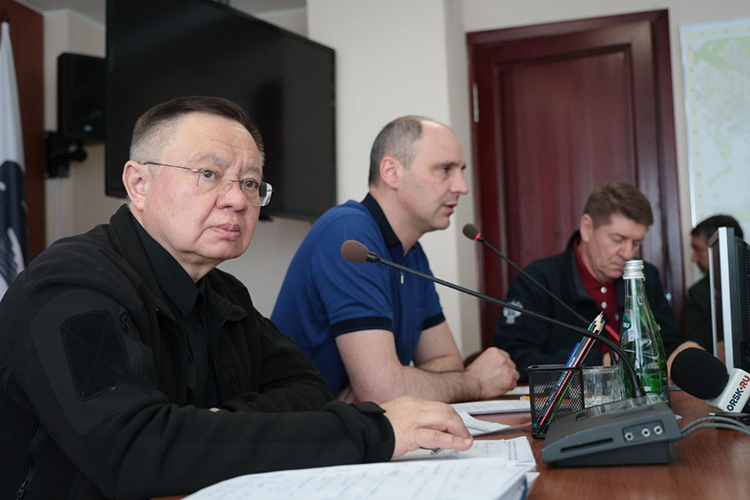
Ирек Файзуллин, человек Марата Хуснуллина, пришел в правительство вместе с ним с должности главы Минстроя РТ. Этот пост Хуснуллин до Файзуллина занимал почти 10 лет, а потом столько же был заместителем мэра Москвы, курировал строительный блок. Ни Хуснуллин, ни Файзуллин версию с мышами не прокомментировали.


Ирек Файзуллин


Марат Хуснуллин, занявший пост вице-премьера в январе 2020 г., контролирует денежные потоки строительной отрасли через Публично-правовую компанию (ППК) «Единый заказчик» и ППК «Фонд развития территорий», в которых занимает пост главы наблюдательного совета. Об это сообщал телеграм-канал ВЧК-ОГУ.


ППК «Единый Заказчик», созданная в феврале 2021 г. выступала заказчиком на сумму 246 млрд руб. Основные подрядчики - ООО «Монотек Строй» (28 млрд руб.), ГУП «Татинвестгражданпроект» (21 млрд руб.), ООО «ГК "ТСИ» (21 млрд руб.).

Среди владельцев ООО «Монотек Строй» - Рустам Салимшин и Марат Хафизов, которых считают ставленниками Марата Хуснуллина. ГУП «Татинвестгражданпроект» принадлежит Минстрою РТ, так что нетрудно догадаться, в чьи карманы попадают денежки от госконтрактов, заключаемых ППК «Единый Заказчик».

Уже в 2021 г. она контролировала 160 проектов, финансируемых за счет федерального бюджета, фактически забрав себе полномочия Минстроя РФ. Проверка Счетной палаты за 2022 г. показала, что сроки ввода увеличились по 81 объекту, это свидетельствует о низкой эффективности работы компании, которая не смогла выполнить свои обязательства на 50%.

По отчету аудиторов, расходы «Единого заказчика» на возведение 119 объектов в рамках ФАИП составили 48,4 млрд рублей, из них 37,7 млрд рублей - авансовые платежи, что составляет почти 80% от заявленной суммы. Объем принятых работ составил только 10,7 млрд рублей или 28% от объема выданных авансов.

ППК «Единый Заказчик» и ППК «Фонд развития территорий» (ФРТ) тесно сотрудничают между собой. По информации телеграм-канала ВЧК-ОГПУ, ФРТ, не являясь технической организацией и не обладая полномочиями в проектировании строительства, навязывает заказчикам из новых регионов свои материалы, причем с указанием конкретных производителей, у которых эти материалы должны быть закуплены.

ФРТ выступал заказчиком на сумму почти 192 млрд руб., однако в открытых источниках фигурируют только 5 подрядчиков с общей суммой контрактов на чуть более 200 млн руб. В 2022-2023 гг. компания демонстрирует прибыль на уровне 8 млрд руб.

До апреля 2022 г. ФРТ назывался «Фонд защиты прав граждан - участников долевого строительства». В июне 2020 г. его возглавил Константин Тимофеев – ставленник Марата Хуснуллина. До этого Тимофеев руководил «Москомстройинвест», структурой правительства Москвы. По информации СМИ, на Тимофеева в 2017 г. было возбуждено уголовное дело, которое испарилось благодаря Марату Хуснуллину.

В октябре 2023 г. были арестованы два топ-менеджера Фонда защиты прав граждан - участников долевого строительства Ленобласти – генеральный директор Александр Горшенев и его заместитель Денис Чибисов. По версии следствия, они намеренно заключали договоры на достройку домов по заведомо завышенной стоимости в 2020-2021 гг.

Телеграм-канал ВЧК-ОГПУ сообщал, что ФРТ, декларирующий совей миссией повышение качества жизни российских граждан, успешно занимается распилом бюджета при участии своего руководителя Ильшата Шагиахметова, связанного с производители стройматериалов. Откаты от них могли попадать в карманы Марата Хуснуллина. Ранее Шагиахметов был учредителем нескольких компаний в Татарстане.

В 2023 г., по информации ВЧК-ОГПУ, арестовали

юристов Дмитрия Шарифуллина, Екатерину Мыскину, а также арбитражного управляющего Светлану Аглинишкене. Их заподозрили в хищении 240 млн руб. у ФРТ в 2018-2021 г. Подельники указывали в договорах, заключенных с аффилированными организациями, завышенную стоимость оказания услуг по охране имущества компаний-застройщиков.

За Маратом Хуснуллиным стоят очень влиятельные персоны. Об этом свидетельствует тот факт, что ППК «Единый заказчик» в июле 2023 г. пыталась взыскать с ООО «Трансепт групп» Бориса Ротенберга сумму в размере 69.5 млн рублей за неподтвержденные документами работы и неиспользованный аванс. Иск был отклонен судом, но сам факт – примечательный. Не каждый позволит себе бодаться с одним из ближайших друзей Владимира Путина.

Первым заявлением Марата Хуснуллина после назначения на пост вице-премьера было намерение провести всероссийскую реновацию по аналогии с московской, которая началась в 2017 г. Московский фонд реновации жилой застройки при Марате Хуснуллине выступал заказчиком на сумму более 5 трлн руб., сейчас – на 6.6 трлн руб. Однако подрядчиков в открытом доступе фонд не указывает, как и ФРТ. Отследить исполнителей на сотни миллиардов рублей можно только по сообщениям в СМИ.

Тему всероссийской реновации Марат Хуснуллин пока не поднимает. Зачем, когда есть и другие «кормушки».


Продолжение следует

Тимофей Забиякин

Источник: www.rucriminal.info

суббота, 13 апреля 2024 г.

Patriarch Kirill betrayed the real owners of the enemy company of Novorossiysk

Participant in the story of a bribe for thief in law Shakro against residents of the resort town


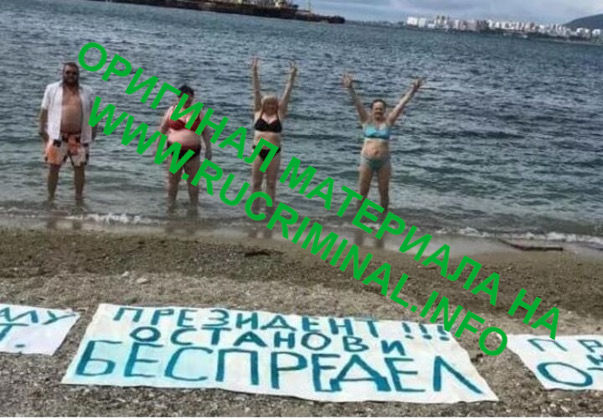
The long-term battle of residents of the Eastern district of Novorossiysk for a 162-meter piece of the coast seems to have ended.


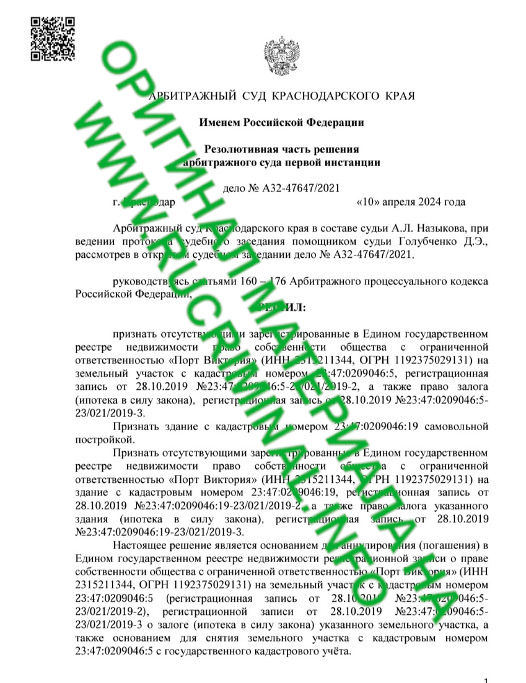
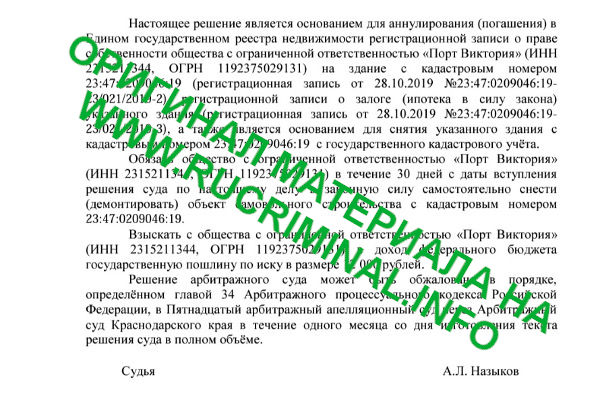
Fortunately for the residents, and to the grief of their opponents - “respected people of the Russian Federation”, who made a lot of effort to destroy this section of the shore of Tsemes Bay of the country’s main port, the arbitration court of the Krasnodar Territory declared the real estate right of Port Victoria LLC to a land plot with a cadastral number to be absent 23:47:0209046023/021/2019-2.

As the Cheka-OGPU and Rucriminal.info described in detail, thousands of residents of the Eastern District of the hero city of Novorossiysk sign petitions to the president, and in recent years they have been fighting in courts, of which more than a dozen have already passed. They are opposed by Port Victoria LLC. In violation of all possible Russian laws and regulations, the LLC announced its plans to build another port here with a capacity of up to 2.5 million tons of cargo per year. It was planned to have 2 berths, for grain and for metal, chemicals, sulfur... And all this joy is 30 meters from the low-rise and private residential buildings closest to the planned one.

The business partners of the governor’s friend Ivan Demchenko, a State Duma deputy and the steel king of the South of Russia, were vitally interested in pushing the project forward. The actual owners of Port Victoria LLC, Shalva Gibradze and Tadeusz Kobets, are Demchenko’s long-time metal partners.


In fact, this section - Volochaevsky Beach - remained almost the last piece of shore not built up with transshipment terminals in this part of the bay. The residents' struggle was not so much for the right to swim in warm sea water in the summer - it was in fact about the prospects for survival. The figures behind the young, well-groomed, amusing dolls - “officials” of “Port Victoria” (such as the general director of LLC Ruslan Lisovoy) planned to build a new terminal here for transshipment of bulk (grain) and general (pig iron, steel blooms, ingots and steel in rolls) cargo. The company intended to build a new port on 88 acres with a planned transshipment of 2.5 million tons of cargo per year.


How could such a port, in principle, be shoved into an area of less than a hectare? Where was it supposed to place additional hundreds of units of daily transport in a place where residential buildings from the early 50s are literally 30 meters from the shore? The plans did not correspond one percent to Russian urban planning and sanitary standards, but who among our “elites” is interested in such situations when we are talking about multi-billion dollar projects.

We have told more than once about this story, about who is actually behind these plans. Shadow interests in the creation of new port facilities are the owner of Novorossmetal, billionaire Shalva Gibradze and Tadeusz Kobets. Although they were officially identified as business owners only once, when Patriarch Kirill, who came to Novorossiysk for the opening of a new church, presented church awards to them, as the owners of Port Victoria LLC. The interest of the actual owner of the Abinsk Electrometallurgical Plant, State Duma deputy Ivan Demchenko, Gibradze’s business partner, was also more than transparently visible.

For many years, the townspeople have been trying to prove the fallacy of transferring this site from the federal property of Rosimushchestvo to private hands. Rosimushchestvo filed a lawsuit demanding that Port Victoria LLC's ownership of the land be declared absent. The plaintiff’s argument was that the Novorossiysk administration “exceeded its authority and disposed of federal land.”

And it seems that last year another court satisfied the demands of the federal department. According to this decision, the land ceased to belong to the company. But representatives of Port Victoria LLC filed a cassation appeal to the Supreme Court. The latter decided to send the case for a new trial to the Arbitration Court of the Krasnodar Territory.

The current decision of the Arbitration Court of the Krasnodar Territory will most likely put an end to this protracted litigation. After all, even despite the “newly discovered circumstances” that allowed the LLC’s lawyers to start the review process anew, the arbitration did not discover anything particularly new.

Yulia Litvinova, a lawyer and protest leader, spoke about the future prospects of opponents in the “war” for the beach:

— Port Victoria LLC has the right to appeal this decision. But we have already had one round of court hearings. To go for an appeal, you need some compelling reasons to appeal the decision. "Rosimushchestvo" won the trial with the support of the Prosecutor General's Office, the regional prosecutor's office, the Novorossiysk prosecutor's office, the transport prosecutor's office and residents. Residents of Novorossiysk were brought in as third parties whose rights were violated by the sale of the disputed land plot.

Yulia thanked the employees of the Cheka-OGPU for their support, saying that, among other things, our work in highlighting the above- and underwater “rocks” of this story ultimately helped to achieve justice long decision. We were glad to help. Although in this rare case for the Krasnodar region, when ordinary people win cases in which they are opposed by serious forces of business and government, the main merit is still due to the people of Novorossiysk themselves. For which we congratulate the forty thousand population of the Eastern region of the country’s main port, the hero city of Novorossiysk. According to the Cheka-OGPU, Shalva Gibradze was a participant in a corruption story associated with thief in law Zakhar Kalashov (Shakro)

As Rucriminal.info told, events developed as follows. When, after the massacre at the Elements restaurant, the Italian found himself behind bars, it immediately became known that Shakro would be grateful to the one who would pull his friend out from behind bars. And Kalashov’s gratitude is worth a lot. 10-15 top businessmen were ready to just give money (and a lot of it). However, they also needed someone who actually knew who to give them to in order for the necessary things to happen.

David Yakobashvili and David Mirzoev are not only friends with Shakro, but are his relatives. Gibradze is Yakobashvili’s partner in a number of projects and is also Shakro’s friend. They decided to work together to find ways to contact leading employees of the Investigative Committee who could influence the situation. Everyone was from the south of Russia and knew that the fixer from the Krasnodar Territory, Dmitry Smychkovsky, was extremely close to the Investigative Committee. But none of them knew him personally. And even a casual acquaintance was not enough. Smychkovsky would not discuss anything on such issues even with respected people.

We started looking for solutions and asked the fixer Andrei Matus about it. He knew that Smychkovsky’s closest friend at that time was the current head of the unit in the Krasnodar Territory (KK) of the Alpha group of the FSB of the Russian Federation, Alexander Pakholchenko. He is a close friend and godfather of the then head of the ICR Investigative Committee for KK Bugaenko and participated in many “topics”. At the same time, Pakholchenko provided such a service to businessmen, including authoritative ones, as providing security with the help of Alpha fighters. In 2018, he was fired from the FSB “due to loss of trust.” It was established that Pakholchenko was living beyond his means. In particular, to be called to duty on the “Gathering” signal, he indicated his place of residence as a luxurious mansion registered in his mother’s name. However, it was established that the real owner of the cottage is Pakholchenko himself.

Pakholchenko agreed to help in this delicate issue and discuss everything with Smychkovsky. The latter, under the guarantee of Pakholchenko and Matus, agreed to meet to discuss the topic with Mirzoev and Gibradze. The meeting took place in Moscow at the Tatler restaurant. At this meeting, it was decided that the fee for the service would be $1 million ($500 thousand from Mirzoev and Yakobashvili and $500 thousand from Gibradze). Mirzoev and Gibradze took on all the financial components, and Smychkovsky had to directly resolve technical issues with Shakro.

As a result, the money went away. The Italian was almost released, but a Russian FSB officer met him at the door of the pre-trial detention center. They soon detained a group of ICR employees, and then Shakro. Smychkovsky managed to leave Russia. The thread leading to the one who paid $1 million was broken.

Timofey Grishin

Source: www.rucriminal.info